

Professional HSE Consulting, Workplace Risk Assessment & Industrial Safety Management Services
Managing workplace safety in the United Arab Emirates requires more than meeting basic compliance obligations. Businesses must identify operational hazards, implement effective risk controls, protect employees and maintain safe working environments while meeting applicable UAE regulatory requirements.
Aura Safety & Risk Consultants provides professional safety consultancy and risk management support to help organizations identify hazards, evaluate workplace risks and strengthen their Health, Safety and Environment (HSE) management practices.
With over 10 years of experience in safety and risk consulting, Aura Safety supports organizations in developing practical, risk-based safety strategies aligned with relevant regulatory requirements and internationally recognized industry practices.
Whether your organization operates an industrial facility, construction project, manufacturing plant, warehouse or commercial workplace, a structured approach to safety management can help reduce incidents, strengthen operational resilience and support business continuity.
Get a Quote
The UAE has established workplace health and safety requirements to protect employees, contractors, visitors and surrounding communities. However, compliance responsibilities can vary depending on the emirate, business activity, industry, facility type and relevant regulatory authority.
Organizations must understand their applicable obligations and establish suitable systems to manage workplace hazards.
Professional safety consultants help businesses assess existing safety arrangements, identify areas requiring improvement and develop practical risk management measures.
Organizations operating in the UAE may be subject to federal legislation, emirate-specific requirements, municipal regulations, free-zone rules and sector-specific safety obligations.
Depending on the organization and its operations, relevant frameworks may include:
A safety consultant can help organizations identify relevant obligations, assess existing arrangements and prioritize corrective actions.
Important: Applicability must be evaluated for each workplace. No single framework automatically governs every business operating throughout the UAE.
Unsafe working conditions, equipment failures, inadequate procedures and insufficient hazard awareness can contribute to workplace incidents.
A systematic safety assessment helps organizations:
Workplace incidents can affect productivity, equipment availability, project schedules, employee wellbeing and business reputation.
Effective safety management helps organizations address these risks proactively rather than relying solely on corrective action after an incident.
Aura Safety & Risk Consultants offers safety and risk management services designed to help organizations evaluate hazards, strengthen preventive controls and improve workplace safety performance.
The appropriate consultancy scope depends on the organization’s operations, risk profile and project requirements.
An effective Health, Safety and Environment management system provides a structured approach to identifying risks, assigning responsibilities, implementing controls and monitoring safety performance.
HSE management system consulting may include:
Organizations can use these activities to establish a more consistent and accountable approach to workplace safety.
Workplace risk assessments help organizations understand what could cause harm, who may be affected and which measures are necessary to manage the risks.
Assessment activities may include:
Risk assessment findings can support informed decisions about equipment, procedures, employee protection and operational controls.
Safety audits provide a systematic review of an organization’s safety arrangements against defined assessment criteria.
Depending on the agreed scope, assessments may cover:
Audit findings can help management prioritize corrective actions, allocate resources and track improvements.
Facilities handling hazardous chemicals, flammable substances, high-pressure systems or complex industrial processes require structured approaches to major accident hazard management.
Aura Safety provides process safety and risk assessment services that may include:
These methodologies help organizations understand credible accident scenarios, evaluate safeguards and identify opportunities to reduce process-related risks.
Explore: Process Safety Services
Fire incidents and other emergencies can place employees, property and business operations at significant risk.
Fire safety and emergency preparedness consulting may address:
The objective is to help organizations identify foreseeable emergency scenarios and establish practical arrangements for an effective response.
Electrical hazards can result in electric shock, arc flash incidents, equipment damage, fires and unplanned downtime.
Electrical safety assessments may cover:
These assessments can support safer maintenance activities and improved electrical risk management.
Occupational health and safety management addresses risks arising from daily workplace activities, equipment, environmental conditions and employee exposure to hazards.
Consultancy activities may include:
A structured occupational safety program helps organizations establish safer working practices and improve risk awareness across their workforce.
Effective workplace safety depends on employees understanding the hazards associated with their work and the precautions needed to control them.
Through the Aura HSE Training Academy, organizations can explore safety training programs addressing topics such as:
Training requirements should be selected according to workplace hazards, employee responsibilities and applicable competency requirements.
Explore: Aura HSE Training Academy
Internationally recognized standards provide useful frameworks for developing systematic approaches to occupational health and safety, environmental management and industrial risk control.
Depending on the facility, industry and consultancy scope, organizations may consider the following standards and guidance.
Standard / Framework | Relevance to Safety Management |
ISO 45001 | Occupational health and safety management systems |
ISO 14001 | Environmental management systems |
ISO 31000 | Risk management principles and guidelines |
ISO 19011 | Guidelines for auditing management systems |
IEC 61508 | Functional safety of electrical, electronic and programmable electronic safety-related systems |
IEC 61511 | Functional safety of safety instrumented systems in the process industry sector |
IEC 61882 | Application of Hazard and Operability Studies (HAZOP) |
NFPA Standards | Fire, electrical and life safety guidance where relevant and applicable |
ILO-OSH Guidelines | Occupational safety and health management system guidance |
These standards support different aspects of risk management and are not interchangeable.
Their applicability depends on the organization’s activities, contractual obligations and regulatory requirements. International standards do not automatically replace mandatory UAE legal or authority-specific requirements.
Different industries face different operational hazards and regulatory expectations. Safety consulting should therefore be adapted to the organization’s working environment, activities and risk profile.
Process safety assessments can help identify loss-of-containment scenarios, fire and explosion hazards, equipment failure risks and weaknesses in protective systems.
Construction safety management focuses on hazards associated with working at height, lifting operations, excavation, machinery, electrical installations and simultaneous work activities.
Manufacturing operations require systematic management of machinery hazards, maintenance activities, hazardous substances, material handling and operational safety procedures.
Warehousing operations may involve risks associated with forklift movements, pedestrian interactions, racking systems, loading activities and manual material handling.
Facilities management teams must address risks related to maintenance activities, electrical systems, fire safety, contractor operations and emergency preparedness.
Facilities handling hazardous substances may require specialized studies to assess process deviations, chemical releases, ignition scenarios and the effectiveness of preventive and mitigating safeguards.
Effective safety consultancy should produce practical recommendations that organizations can implement, monitor and maintain.
A structured consulting engagement generally follows five stages.
Review the organization’s activities, facility characteristics, workforce, operational hazards and safety objectives.
Establish the relevant assessment criteria, including applicable UAE requirements, contractual obligations and agreed international standards.
Assess hazards, existing controls, safety procedures and potential consequences through suitable risk assessment or audit methodologies.
Document findings and recommend corrective or preventive measures based on risk significance, operational practicality and the agreed scope.
Where included in the engagement, assist with action planning, implementation reviews, documentation and follow-up assessments.
This approach helps connect safety assessment findings with measurable organizational actions.
Selecting a safety consultant requires consideration of technical competence, industry understanding, assessment methodology and the ability to provide actionable recommendations.
Aura Safety & Risk Consultants brings more than a decade of experience in safety and risk management consulting.
Our service portfolio covers occupational safety, industrial risk assessment, process safety, safety audits and workforce safety training.
We focus on helping organizations understand their risk exposure, identify improvement priorities and establish suitable preventive measures.
Our technical safety services address areas such as HAZOP, HAZID, QRA, LOPA, SIL studies and fire and explosion risk assessment.
Our consulting approach recognizes that effective safety management must support employee protection, operational reliability and sustainable business performance.
Managing workplace risks requires a clear understanding of hazards, effective preventive measures and a structured approach to safety management.
Whether your organization requires a workplace risk assessment, safety audit, HSE management system review or specialized industrial risk study, Aura Safety & Risk Consultants can discuss your requirements and help define an appropriate consultancy scope.
Take the next step toward stronger workplace safety management.
+91 99994 02106
World-Wide Safety Consultation
Discuss your process, project stage, available documentation and required schedule before finalizing the study scope.

Identify, evaluate, and control process hazards with expert risk assessments, ensuring safe, reliable, and compliant industrial operations.
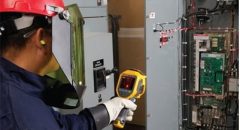
Identify, evaluate, and control process hazards with expert risk assessments, ensuring safe, reliable, and compliant industrial operations.

Implement site safety plans, audits, and training to prevent accidents, ensuring safer construction environments and regulatory compliance.

Design, engineer, and audit fire protection systems ensuring reliable performance, asset safety, and adherence to national safety standards.
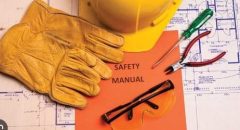
Empowering workforce with certified HSE, fire, and industrial safety training programs for skill development and regulatory competence.

Create immersive, interactive VR safety training modules for realistic learning experiences in hazard recognition and emergency preparedness.
A safety consultant helps organisations identify workplace hazards, assess occupational and industrial risks, review safety procedures and recommend improvements to their safety management systems. Depending on the engagement, consultants may also support safety audits, risk assessments, emergency planning and workforce training.
Not every UAE business is automatically required to appoint an external safety consultant. Requirements depend on factors such as industry, workforce, facility type, activity, emirate and the relevant regulatory authority. Some organizations may have specific requirements for competent safety personnel, approved consultants or specialized assessments.
Applicable requirements may include UAE federal labour legislation, emirate-specific occupational safety frameworks, municipal requirements, Civil Defence requirements and rules issued by relevant free-zone or sector authorities. Businesses should determine which provisions apply to their specific operations.
An HSE consultant typically provides specialized advice, assessments, audits or management system support under an agreed consultancy scope. A safety officer generally performs ongoing workplace safety duties within an organization or project. The responsibilities can overlap, but the roles are not necessarily interchangeable.
Safety consultancy can benefit construction, manufacturing, oil and gas, petrochemical, logistics, warehousing, utilities, commercial facilities and other organizations exposed to workplace or operational hazards.
A workplace safety audit typically involves reviewing selected workplace conditions, procedures, records, safety controls and management arrangements against defined criteria. The audit scope determines the areas examined and the findings reported.
Audit frequency depends on applicable legal requirements, industry risk, organizational policies, contractual obligations, operational changes and previous audit findings. Higher-risk operations may require more frequent reviews.
A safety audit evaluates whether selected safety arrangements meet established requirements or assessment criteria. A risk assessment identifies hazards, evaluates associated risks and determines appropriate controls. Both activities support safety management but serve different purposes.
Yes. International standards such as ISO 45001 and relevant IEC or NFPA standards can support workplace safety management when appropriate. However, their use must be considered alongside applicable UAE regulatory and authority-specific requirements.
You can contact Aura Safety & Risk Consultants through the website to describe your facility, operational activities and required services. This information helps define the proposed consultancy scope.