

Keeping people safe starts with spotting a problem before it happens. This is the goal of HIRA. In 2026, safety is not just a rule. It is a smart way to work. This guide will show you how to find hazards and fix risks in simple steps.
Hazard identification is the process of finding anything in the workplace that could cause harm to people, equipment, property, or the environment. It is the first and most important step in any workplace safety and risk management process.
A hazard can be any source of danger, including unsafe machinery, electrical risks, harmful chemicals, slippery surfaces, falling objects, fire hazards, or unsafe work practices. Identifying these hazards early helps organizations prevent accidents, injuries, equipment damage, and operational disruptions.
For example, on a construction site, a heavy brick placed near the edge of a high wall is a hazard because it has the potential to fall and injure someone below. Recognizing this risk before an incident occurs allows workers and safety teams to take corrective action and improve workplace safety.
Hazard identification is usually followed by a risk assessment process, where the severity and likelihood of each hazard are evaluated so appropriate control measures and preventive actions can be implemented.
Hazard identification is important because it helps organizations prevent accidents, injuries, equipment damage, and workplace disruptions before they happen. By identifying hazards early, companies can create a safer work environment and reduce risks for employees, visitors, and contractors.
A proper hazard identification process helps businesses:
For example, it is much easier and safer to remove a loose brick from the edge of a construction site than to deal with a serious workplace accident later. Identifying hazards before incidents occur allows organizations to take preventive action and maintain a strong safety culture.
Hazard identification also serves as the foundation of risk assessment and workplace safety management. Without identifying hazards first, organizations cannot properly evaluate risks or implement effective safety controls.
Risk assessment is the process of evaluating how dangerous an identified hazard can be. After hazards are identified, organizations assess the likelihood of an incident occurring and the severity of its consequences. This helps businesses prioritize risks and implement appropriate safety controls.
Risk assessment mainly considers two factors:
For example, a loose electrical wire in a busy workplace has a high likelihood of causing an accident and may result in severe injury or fire hazards. Organizations dealing with industrial electrical systems should also understand electrical hazards in industry to reduce operational risks.
By conducting proper risk assessments, organizations can reduce workplace accidents, improve compliance, and create safer working environments.
Feature | Hazard Identification | Risk Assessment |
Main Goal | Finding potential dangers | Evaluating the level of danger |
Purpose | Identify what can cause harm | Determine how serious the harm could be |
Process Stage | First step | Second step |
Result | List of hazards | Risk priority and control plan |
Example | “There is water on the floor.” | “Someone may slip and get injured.” |
Organizations use different methods to identify workplace hazards and evaluate risks. The most common methods include:
Regular inspections of equipment, work areas, and processes help identify unsafe conditions before accidents occur. Employees are often involved because they work closely with daily operational risks.
This method breaks down a job into individual tasks and identifies hazards associated with each step. It is commonly used in construction, manufacturing, and industrial environments.
Investigating workplace incidents and near misses helps organizations identify root causes and prevent similar accidents in the future.
Workers often recognize hazards first. Encouraging employees to report unsafe conditions improves hazard detection and strengthens workplace safety culture.
Safety audits review workplace procedures, compliance standards, and existing control measures to identify gaps in safety management systems. Many organizations conduct PSM Audit & Implementation programs to improve process safety performance and compliance.
Start by identifying the area, process, or activity being assessed. A clear scope ensures that hazards are evaluated properly without missing critical risks.
Inspect the workplace carefully to identify anything that could cause harm, including:
Speaking with employees during inspections often helps uncover hidden risks.
Evaluate each hazard based on:
Many organizations use a risk matrix to assign risk levels and prioritize corrective actions.
Risk Score = Likelihood × Severity
High-risk hazards should be addressed immediately to prevent injuries and operational disruptions.
After assessing risks, organizations should implement suitable control measures to reduce or eliminate hazards. The most effective controls include:
In high-risk industrial environments, conducting a fire risk assessment for safety & compliance helps organizations identify fire-related hazards and improve emergency preparedness.
Hazard identification and risk assessment should be ongoing processes. Work environments, equipment, and procedures change over time, so regular reviews are essential for maintaining workplace safety.
Workplace hazards are conditions, materials, or activities that have the potential to cause injury, illness, property damage, or environmental harm. Understanding different types of hazards helps organizations identify risks early and implement effective safety controls.
Physical hazards are one of the most common workplace dangers and usually result from unsafe environmental conditions or equipment. These hazards can cause immediate injuries such as cuts, burns, falls, fractures, or long-term health problems.
Common physical hazards include:
For example, a worker operating machinery without proper guarding may suffer serious injuries if safety procedures are not followed.
Chemical hazards involve harmful substances that can enter the body through inhalation, skin contact, or ingestion. Exposure to hazardous chemicals can cause burns, respiratory issues, poisoning, allergic reactions, or long-term diseases.
Examples of chemical hazards include:
Industries handling flammable or explosive substances often require proper hazardous area classification to reduce ignition risks and maintain regulatory compliance.
Biological hazards are caused by living organisms or biological substances that can negatively affect human health. These hazards are especially common in healthcare, laboratories, food processing, and waste management industries.
Common biological hazards include:
For example, healthcare workers may be exposed to infectious diseases through contaminated needles or bodily fluids if proper hygiene and protective measures are not followed.
Ergonomic hazards develop when workplace tasks, equipment, or workstations place excessive strain on the body. These hazards often cause musculoskeletal disorders that develop gradually over time.
Examples of ergonomic hazards include:
Employees working long hours at poorly designed desks may experience back pain, neck strain, or wrist injuries due to improper ergonomics.
Psychosocial hazards affect workers’ mental health, emotional well-being, and overall job performance. These hazards are increasingly recognized as important workplace safety concerns in modern organizations.
Common psychosocial hazards include:
If not managed properly, psychosocial hazards can lead to stress, anxiety, burnout, reduced productivity, and higher employee turnover.
Identifying and controlling all types of workplace hazards is essential for creating a safe, healthy, and productive work environment. Regular inspections, employee training, and risk assessments help organizations reduce hazards and improve workplace safety performance.
An effective Hazard Identification and Risk Assessment (HIRA) process helps organizations
Industries such as oil, gas, and chemical processing should also address big safety hazards in chemical plants as part of their broader HIRA strategy.
The hierarchy of controls is a systematic approach used to reduce workplace risks.
Elimination and substitution are considered the most effective risk control methods.
An effective HIRA process provides several advantages for organizations and employees, including:
Organizations that regularly perform hazard identification and risk assessments can proactively manage workplace risks and create safer working environments with support from experienced safety consultants such as Aura Safety.
Provide resources, training, and leadership support for workplace safety initiatives.
Monitor workplace activities and ensure safety procedures are followed.
Report hazards, follow safety procedures, and use PPE correctly.
Organizations often face challenges such as:
Many workplace incidents occur because of unsafe behaviors and poor conditions. Understanding the difference between unsafe acts vs. unsafe conditions helps organizations strengthen preventive safety measures.
Regular monitoring and employee involvement help overcome these issues.
Read More: Major Accident Hazards
Hazard Identification and Risk Assessment (HIRA) is a critical process for maintaining workplace safety and preventing accidents. By identifying hazards, assessing risks, and implementing effective control measures, organizations can protect employees, improve compliance, and create safer working environments.
A proactive HIRA process not only reduces workplace incidents but also supports long-term operational efficiency and business sustainability.
Read More About the Safety:
+91 99994 02106
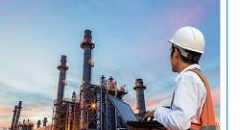
Identify, evaluate, and control process hazards with expert risk assessments, ensuring safe, reliable, and compliant industrial operations.
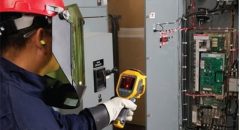
Identify, evaluate, and control process hazards with expert risk assessments, ensuring safe, reliable, and compliant industrial operations.
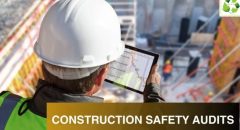
Implement site safety plans, audits, and training to prevent accidents, ensuring safer construction environments and regulatory compliance.

Design, engineer, and audit fire protection systems ensuring reliable performance, asset safety, and adherence to national safety standards.
Empowering workforce with certified HSE, fire, and industrial safety training programs for skill development and regulatory competence.

Create immersive, interactive VR safety training modules for realistic learning experiences in hazard recognition and emergency preparedness.
A hazard is something that can cause harm, while a risk is the chance that the hazard will actually cause harm.
Risk assessments should be reviewed regularly, especially after incidents, changes in operations, or the introduction of new equipment.
Both approaches are valid. Qualitative assessments are simpler, while quantitative methods provide more precise measurements of risk.
It ensures consistency, legal compliance, proactive risk management, and a safer workplace culture.
It’s a system to control hazards in order of effectiveness: eliminate, substitute, engineer, administrate, and use PPE last. It helps reduce harm most efficiently.
They prioritize based on severity and likelihood: the most dangerous and probable risks are dealt with first.
Ignoring minor hazards, poor documentation, lack of monitoring, and treating risk assessment as a one-time task.
Yes. Modern software can help you track hazards and remind you when it is time to review your risks. It can even predict risks based on your industry.