

National Safety Week and National Safety Day promote accident prevention, workplace compliance, and public safety awareness through coordinated campaigns, training, and safety-led practices.
National Safety Day marks a dedicated day to reinforce safety awareness, while National Safety Week extends this effort over multiple days. The purpose is to prevent accidents, reduce occupational hazards, and strengthen a culture of safety across workplaces and communities.
In India, National Safety Day and Week are spearheaded by the National Safety Council of India (NSCI). The observance was established to promote systematic safety management, industrial health standards, and nationwide awareness aligned with global safety principles.
National Safety Day is observed annually on March 4, with National Safety Week typically running from March 4 to March 10. This fixed schedule supports consistent planning across industries and institutions.
The official theme for National Safety Week / Day 2026 is announced by the organizing authority closer to the observance. Themes generally focus on accident prevention, occupational health, risk reduction, and safety leadership.
National Safety Week plays a critical role in reinforcing legal compliance and operational discipline in workplaces. It highlights the importance of hazard identification, safe operating procedures, and adherence to safety standards under occupational safety laws. Organizations use this period to review incident trends, update safety policies, and align practices with regulatory expectations, reducing injury risks and operational disruptions.
Beyond workplaces, the observance raises awareness about road safety, fire prevention, electrical hazards, and emergency preparedness. Community outreach programs help individuals understand everyday risks and adopt safer behaviors, contributing to broader public health outcomes and reduced accident rates.
This area emphasizes machine safety, process safety, personal protective equipment (PPE), ergonomics, and occupational health controls to prevent workplace injuries and illnesses.
Road safety initiatives focus on traffic rule compliance, defensive driving, vehicle maintenance, and pedestrian safety to reduce accidents involving commercial and public transport.
Campaigns address fire prevention, safe electrical practices, emergency response readiness, and environmental protection to minimize hazards in both industrial and residential settings.
Organizations conduct safety training sessions, toolbox talks, mock drills, poster campaigns, and expert lectures to reinforce safe work practices and emergency preparedness.
Educational institutions and community groups organize rallies, quizzes, workshops, and demonstrations to build early awareness and promote lifelong safety habits.
Safety observance aligns with national occupational safety, health, and welfare laws, along with applicable industry regulations and standards governing hazard control and worker protection.
Employers are responsible for providing safe workplaces, training, and protective measures, while employees are expected to follow safety procedures, use PPE correctly, and report hazards.
Conducting structured safety audits and risk assessments helps identify gaps, prioritize controls, and improve compliance with safety requirements.
Regular training, emergency drills, and clear safety communication strengthen awareness, improve response readiness, and embed safety into daily operations.
NSCI is the central body promoting safety, health, and environmental practices in India through training, campaigns, and policy advocacy.
Since its inception, National Safety Week has contributed to improved safety awareness, standardized practices, and a stronger national focus on accident prevention across industries and communities.
+91 99994 02106

Identify, evaluate, and control process hazards with expert risk assessments ensuring safe, reliable, and compliant industrial operations.
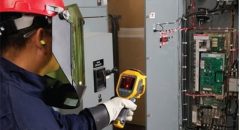
Comprehensive electrical safety audits and engineering solutions minimizing risks, preventing accidents, and ensuring complete statutory compliance.

Implement site safety plans, audits, and training to prevent accidents, ensuring safer construction environments and regulatory compliance.

Design, engineer, and audit fire protection systems ensuring reliable performance, asset safety, and adherence to national safety standards.

Empowering workforce with certified HSE, fire, and industrial safety training programs for skill development and regulatory competence.

Create immersive, interactive VR safety training modules for realistic learning experiences in hazard recognition and emergency preparedness.

Deliver ISO and management system certifications with expert training to enhance compliance, quality, and safety performance standards.

Develop customized emergency response and disaster management plans ensuring preparedness, rapid action, and operational resilience.

Promote environmental responsibility through energy audits, waste management, and sustainable development consulting for industries.

Provide risk assessments and safety audits supporting insurance claims, compliance, and liability reduction for industrial clients.

Optimize transport operations with safety audits, driver training, and risk management to reduce accidents and ensure regulatory compliance.

Offer design, analysis, and safety-driven engineering solutions tailored to improve industrial reliability, performance, and compliance.

Enhance workplace protection through customized safety innovations, risk-based audits, performance improvement tools, and proactive safety culture programs tailored to your organization’s needs.

Drive efficiency through custom HSE and safety management software solutions designed for digital reporting, compliance tracking, data analytics, and real-time monitoring across industrial operations.
Empowering organizations to promote a culture of responsible driving through experiential road safety campaigns, simulations, and corporate training programs tailored for industrial and community impact.
National Safety Day is observed on March 4, while National Safety Week extends the observance over several days to reinforce safety initiatives.
Industries, offices, educational institutions, government bodies, and communities can all observe National Safety Week.
It reinforces compliance, reduces accident risks, and strengthens a proactive safety culture
Common activities include safety training, drills, audits, awareness campaigns, and community outreach.
While India has a nationally recognized observance, similar safety awareness initiatives exist in many countries.
Small organizations can conduct basic training, safety talks, and risk reviews without extensive resources.