

A Risk Assessment Plan (RMP) is a written document. It lists things that could go wrong. It also explains how you will stop those things from happening. Think of it as a safety net for your business.
In 2026, the world moves fast. We use more AI and face more weather changes. An RMP helps you stay calm when things get messy.
You need an RMP for three main reasons:
People often mix these up.
Creating an RMP does not have to be hard. Follow these five steps to build your plan.
Walk around your workplace. Look for things that could cause a problem.
Once you find a hazard, ask: “Who gets hurt?”
Now, grade each risk. Use two questions:
Focus your energy on the risks that are very likely and very bad.
This is the most important step. You must act.
The world changes. You might get new machines or new AI software. Check your RMP every six months. If something big changes, update the plan right away.
The risks we face today are different than they were five years ago.
Most businesses now use AI (Artificial Intelligence). AI can make mistakes. It can leak private data. Your RMP should include a plan for when your AI tools fail or give wrong information.
Extreme weather is more common now.
Burnout is a real risk. If your team is too stressed, they make mistakes. Modern RMPs now look at workload and mental health as safety factors. A happy team is a safe team.
Do not just use words. Use a Risk Matrix. This is a simple chart.
Safety is everyone’s job. If you write the plan alone, people might ignore it. Ask your employees for their ideas. They will be more likely to follow the rules if they helped create them.
In 2026, laws are strict about data privacy and carbon footprints. Check your local laws to make sure your RMP covers these areas. If you are not sure, talk to a legal expert.
A Risk Assessment Plan is not just a piece of paper. It is a way of thinking. When you look for risks and fix them, you build a business that lasts. Stay alert, stay updated, and stay safe.
Submit your Details
+91 99994 02106

Identify, evaluate, and control process hazards with expert risk assessments, ensuring safe, reliable, and compliant industrial operations.
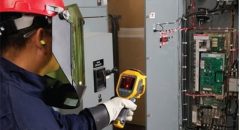
Identify, evaluate, and control process hazards with expert risk assessments, ensuring safe, reliable, and compliant industrial operations.
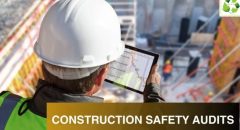
Implement site safety plans, audits, and training to prevent accidents, ensuring safer construction environments and regulatory compliance.

Design, engineer, and audit fire protection systems ensuring reliable performance, asset safety, and adherence to national safety standards.
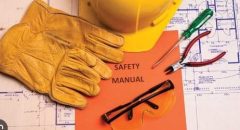
Empowering workforce with certified HSE, fire, and industrial safety training programs for skill development and regulatory competence.

Create immersive, interactive VR safety training modules for realistic learning experiences in hazard recognition and emergency preparedness.
You should review your plan at least once a year. However, if you hire new people, move to a new office, or buy new tech, you should update it immediately.
Yes. Even a one-person business has risks. A single accident or a data leak can close a small business forever. Having a plan protects your future.
The biggest risks are now cyberattacks and AI errors. Since most work is digital, a tech failure can stop all work in seconds.
The business owner is legally responsible. However, they can pick a Safety Officer to help manage the plan daily.
Yes, templates are a great start. Just make sure you change the details to fit your specific workplace and the current 2026 laws.