

A complete guide to understanding, implementing, and optimizing Management of Change (MOC) reviews for safer operations.
A Management of Change (MOC) Review is a structured process used to evaluate and control risks associated with any proposed change in operations, equipment, procedures, or personnel.
The purpose is to prevent unintended consequences by ensuring every change is assessed for safety, environmental impact, and operational continuity before implementation.
Key components include proper change identification, risk assessment, documentation, approval workflows, implementation controls, and post-change verification.
MOC reviews help identify potential hazards early, reducing the likelihood of incidents, equipment failures, or process upsets.
They support adherence to regulatory frameworks such as OSHA PSM, ISO 45001, and other industry-specific safety standards.
By evaluating impacts before implementation, MOC reviews maintain process integrity and ensure smooth transitions.
Engineered changes like equipment upgrades, process redesigns, instrument changes, or new materials require formal review.
Shifts in staffing, changes in roles, or updates to operating procedures can introduce new risks requiring scrutiny.
All change durations—short-term workarounds, urgent fixes, and long-term improvements—should be evaluated through MOC controls.
The process begins by identifying the nature, scale, and reason for change and screening its potential hazards.
A structured evaluation determines impacts on safety, environment, operations, and compliance obligations.
Authorized stakeholders review, approve, document, and implement the change with proper safeguards.
A follow-up confirms that the change was implemented correctly and that associated risks have been adequately controlled.
They lead hazard evaluations, ensure compliance, and maintain quality documentation.
Responsible for technical assessments, feasibility checks, and safe execution of the change.
Provide oversight, ensure regulatory alignment, and authorize major changes.
Software tools streamline workflows, automate notifications, and centralize documentation.
Hazard analysis templates, PHA tools, and digital forms support consistent evaluations.
These platforms enable real-time tracking and generate records for audits and regulatory inspections.
Rushed or informal assessments can overlook critical hazards.
Inadequate records make audits, investigations, and compliance validation difficult.
Workflow bottlenecks often arise when communication among departments is weak.
Standard workflows, checklists, and acceptance criteria ensure uniform evaluation of all changes.
Staff must be trained to recognize changes, assess risks, and apply MOC protocols correctly.
Routine audits help identify gaps, improve accountability, and enhance overall safety culture.
Changes in machinery, layouts, and production lines require robust MOC controls.
Process parameter changes, chemical substitutions, or equipment upgrades need thorough hazard analysis.
Project modifications, site changes, and equipment commissioning are major MOC triggers.
Indicators such as incident rates, near-miss trends, and process disruption frequency reflect MOC effectiveness.
Audit scores, documentation completeness, and regulatory inspection outcomes provide measurable insights.
A well-functioning MOC process correlates with fewer incidents, improved reliability, and stronger safety culture.
MOC Reviews are essential for maintaining safe, compliant, and resilient operations across all industries. By standardizing the review process, training teams, and leveraging digital tools, organizations can reduce risk, support continuous improvement, and ensure safer change execution.
Call to Action
Aura Safety Risk Consultant delivers comprehensive HSE management and engineering consultancy solutions to ensure safety, compliance, and sustainable industrial growth.
[ez-toc]
+91 99994 02106

Identify, evaluate, and control process hazards with expert risk assessments, ensuring safe, reliable, and compliant industrial operations.
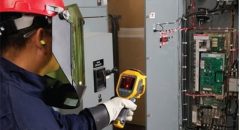
Identify, evaluate, and control process hazards with expert risk assessments, ensuring safe, reliable, and compliant industrial operations.

Implement site safety plans, audits, and training to prevent accidents, ensuring safer construction environments and regulatory compliance.

Design, engineer, and audit fire protection systems ensuring reliable performance, asset safety, and adherence to national safety standards.

Empowering workforce with certified HSE, fire, and industrial safety training programs for skill development and regulatory competence.

Create immersive, interactive VR safety training modules for realistic learning experiences in hazard recognition and emergency preparedness.
It ensures that any operational change is analyzed for safety, environmental, and regulatory impacts before implementation.
Safety teams, engineering staff, operations personnel, and management collectively participate based on the nature of the change.
Timelines vary depending on complexity—from a few hours for minor changes to weeks for major modifications requiring detailed analysis.
Technical, organizational, procedural, temporary, emergency, and permanent changes all require MOC evaluation.
Yes, many frameworks like OSHA PSM and industry standards require a formal MOC process for safe change management.
Digital MOC systems, risk assessment software, workflow trackers, and audit tools enhance consistency and visibility.
By tracking safety metrics, audit outcomes, documentation quality, and incident reduction trends.