

Discover how the right safety gear and a steady supply chain protect lives and keep your business running smoothly.
In high-stakes industries, your safety supply chain is your lifeline. From OSHA 2026-compliant PPE to AI-driven risk monitoring, we provide the critical gear you need to protect your team and keep your operations running without interruption.
Don’t let a broken supply chain compromise your site safety. We solve the most common procurement headaches with:
Browse our high-demand categories and secure your inventory today.
The first line of defense for your crew. We supply heavy-duty gear designed for durability and comfort.
Engineered for zero-failure performance in construction and telecommunications.
Breathe easy with the latest in atmospheric monitoring.
Stay ahead of new safety regulations with tech-integrated solutions.
Meet your ESG goals without sacrificing safety. We are a leading supplier of biodegradable gloves, recycled-plastic helmets, and sustainable safety apparel. Protect your workers and the planet simultaneously.
We don’t just ship boxes; we manage your equipment lifecycle.
Join hundreds of firms that trust us for their critical safety needs. Whether you need a one-time bulk order or a long-term supply partner, we are ready to deliver.
Get Quote > Speak with a safety specialist in under 24 hours.
+91 99994 02106
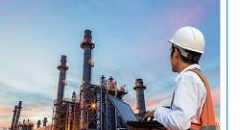
Identify, evaluate, and control process hazards with expert risk assessments ensuring safe, reliable, and compliant industrial operations.
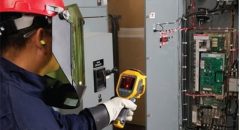
Comprehensive electrical safety audits and engineering solutions minimizing risks, preventing accidents, and ensuring complete statutory compliance.
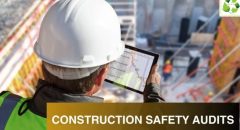
Implement site safety plans, audits, and training to prevent accidents, ensuring safer construction environments and regulatory compliance.
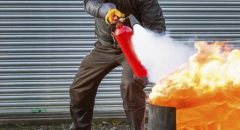
Design, engineer, and audit fire protection systems ensuring reliable performance, asset safety, and adherence to national safety standards.
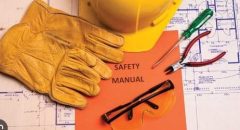
Empowering workforce with certified HSE, fire, and industrial safety training programs for skill development and regulatory competence.

Create immersive, interactive VR safety training modules for realistic learning experiences in hazard recognition and emergency preparedness.
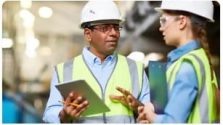
Deliver ISO and management system certifications with expert training to enhance compliance, quality, and safety performance standards.
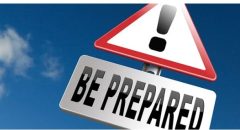
Develop customized emergency response and disaster management plans ensuring preparedness, rapid action, and operational resilience.

Promote environmental responsibility through energy audits, waste management, and sustainable development consulting for industries.

Provide risk assessments and safety audits supporting insurance claims, compliance, and liability reduction for industrial clients.
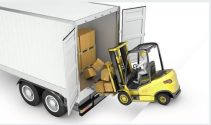
Optimize transport operations with safety audits, driver training, and risk management to reduce accidents and ensure regulatory compliance.
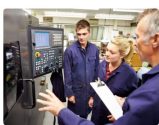
Offer design, analysis, and safety-driven engineering solutions tailored to improve industrial reliability, performance, and compliance.

Enhance workplace protection through customized safety innovations, risk-based audits, performance improvement tools, and proactive safety culture programs tailored to your organization’s needs.
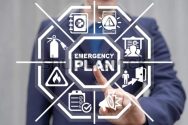
Drive efficiency through custom HSE and safety management software solutions designed for digital reporting, compliance tracking, data analytics, and real-time monitoring across industrial operations.
Empowering organizations to promote a culture of responsible driving through experiential road safety campaigns, simulations, and corporate training programs tailored for industrial and community impact.
While all gear is important, Smart PPE and respiratory protection are the top priorities this year due to new heat and air quality laws.
It depends on the item. Hard hats usually last 5 years, while gloves may only last a few days. Always follow the maker's rules and check for damage daily.
In 2026, many companies rent high-tech gear like gas detectors. This allows them to use the newest technology without paying the full price up front.
New rules focus heavily on heat illness prevention. Employers must now provide more water, rest breaks, and monitoring for workers in hot areas.
AI can monitor camera feeds to ensure everyone is wearing their PPE. It can also analyze data from wearable sensors to spot health risks before an injury occurs.