


Build workforce awareness and emergency readiness with practical fire safety training focused on fire prevention, hazard recognition, evacuation and appropriate first response.
A fire emergency can escalate rapidly. Employees who understand common fire hazards, alarm and evacuation procedures, and their responsibilities during an emergency are better prepared to respond without unnecessary confusion or delay.
Aura Safety & Risk Consultants provides fire safety training through the Aura HSE Training Academy, helping organizations strengthen employee awareness, preventive behavior, and workplace emergency preparedness. Fire safety trainings are specifically included within Aura Safety’s documented HSE Training Academy portfolio.
The training is intended to connect fire-safety principles with the situations employees may encounter in industrial, commercial and other workplace environments.
Fire protection systems are essential, but equipment alone cannot create a fire-safe workplace. Employees also need to recognize hazards, understand preventive measures, and know how to act when an alarm or emergency occurs.
Industrial and commercial workplaces can contain multiple potential ignition sources and combustible materials. Aura Safety’s industrial fire safety services address hazards including electrical sources, hot work, combustible materials, storage conditions and process-related fire exposures.
Effective workplace fire safety training can help organizations strengthen:
The appropriate course content should depend on the workplace, participant responsibilities and site-specific fire risks. A practical fire safety training program may cover the following areas.
Fire prevention starts with understanding how fires can occur.
Participants can be introduced to common workplace fire hazards, including ignition sources, combustible materials, electrical hazards, hot work, storage hazards and process-related fire exposures—areas also considered within Aura Safety’s wider fire hazard identification activities.
The aim is to help employees identify potentially unsafe conditions and report or address them through established workplace procedures before they contribute to an incident.
Preventing a fire is preferable to responding to one.
Training can reinforce practical fire-prevention behaviours such as maintaining good housekeeping, controlling ignition sources, following hot-work procedures, maintaining clear access and exits, handling combustible materials appropriately and reporting damaged or unsafe equipment.
For industrial workplaces, these principles should be connected to actual tasks rather than treated as generic safety rules.
Employees need to know how fire alarms and other emergency warning arrangements relate to their responsibilities.
Training can help personnel understand the importance of raising an alarm promptly, following workplace communication procedures and responding correctly when an alarm is activated.
The objective is simple: employees should know how to recognize an emergency, how to communicate it and what action they are expected to take.
Portable fire extinguishers can form part of a workplace’s initial fire-response arrangements, but employees should understand that different fire situations may require different responses.
Training can cover extinguisher awareness, basic identification, safe-use principles and the importance of assessing personal safety before attempting any first response.
Employees should also understand when not to attempt firefighting and when evacuation and escalation are the appropriate actions.
Content note: Aura’s approved materials confirm Fire Safety Training but do not specify whether practical extinguisher demonstrations or hands-on firefighting exercises are included. These should only be advertised if Aura confirms them.
During a fire, an organized evacuation can be critical to protecting people.
Aura Safety’s wider fire-safety activities include reviewing evacuation routes, emergency response procedures, assembly areas, communication systems and coordination with on-site emergency teams. These principles provide a strong foundation for workplace fire emergency training and effective emergency planning.
Participants can be trained to understand the importance of:
Where applicable, organizations should integrate the training with their own emergency response plan and facility arrangements.
Fire safety awareness is relevant across organizational levels because fire prevention and emergency response involve more than HSE personnel alone.
The training may be suitable for employees, supervisors, contractors, maintenance personnel, warehouse and stores teams, facility-management personnel, production and operations teams, office personnel, HSE/EHS teams and other workers who need to understand workplace fire hazards and emergency procedures.
Organizations with employees assigned specific emergency responsibilities may require additional role-specific training beyond general fire safety awareness.
Different workplaces have different fire-risk profiles, so training should reflect the conditions employees actually encounter.
Manufacturing facilities may need greater focus on machinery, hot work, combustible materials, process heating and industrial utilities.
Warehouses and logistics facilities may need to address storage arrangements, loading areas, battery charging and hazardous-material storage. These risks can also be explored through a warehouse fire risk assessment guide.
Construction environments can involve changing layouts, temporary arrangements, combustible storage, hot work and changing emergency access conditions.
Oil, gas, energy and process facilities may have additional hazards associated with flammable liquids, gases, process equipment and utilities.
Commercial and institutional workplaces may place greater emphasis on employee awareness, ignition-source control, evacuation and emergency communication. A commercial fire risk assessment guide can provide further context on fire risks in these environments.
These workplace categories are consistent with the sectors addressed within Aura Safety’s wider fire-safety services.
Effective training starts with understanding the work environment and the fire hazards participants may encounter. A structured fire risk assessment can help identify the conditions that should inform the training scope.
The program should focus on topics relevant to employee responsibilities, workplace conditions and existing emergency arrangements.
Employees do not need unnecessary technical complexity. They need to understand the hazard, the preventive action and what they are expected to do during an emergency.
Realistic examples can help participants connect fire prevention and emergency-response principles with their day-to-day activities.
The objective is to strengthen behaviour employees can apply after training—from identifying hazards and maintaining escape routes to responding appropriately when an alarm is raised.
Fire safety is interconnected with several other areas of workplace risk management.
For example, electrical faults can create ignition risks, chemicals may introduce flammable or reactive hazards, and ineffective emergency response can increase the consequences of an incident.
Aura’s HSE Training Academy includes HSE Trainings, PSM Trainings, Fire Safety Trainings, Electrical Safety, Behavior Based Safety, Chemical Safety, First Aid Training, Human Factors & Ergonomics Training, Defensive Driving, Scaffolding Training and Legal Training.
This creates opportunities for organizations to integrate Fire Safety Training with other relevant workforce safety programs rather than addressing each risk in isolation.
For HSE managers, facility managers and operational decision-makers, fire safety training contributes to more than employee awareness.
A workforce that understands fire hazards and emergency procedures can support stronger prevention practices, improved emergency readiness, better protection of people and assets, and greater operational resilience.
Aura Safety’s wider fire-safety materials identify workforce safety, asset protection and business continuity as key reasons for proactive fire-risk management. A professional fire safety audit can complement training by assessing fire hazards, safeguards and workplace arrangements.
Training supports the human element of that strategy by helping employees understand their role before and during a fire emergency.
Fire Safety Trainings are an established offering within the Aura HSE Training Academy, rather than a standalone topic added solely for this webpage.
Aura Safety & Risk Consultants provides a broader range of HSE and risk-management services covering areas such as industrial safety, process safety, risk management, Construction Safety and HSE engineering design.
Aura’s approved company information also confirms that the business operates in India and has 10+ years in business.
This broader safety perspective allows fire safety training to be positioned as part of an organization’s overall approach to workplace risk management and emergency preparedness.
Effective fire safety starts before an emergency occurs.
Employees who understand workplace fire hazards, preventive measures, alarm procedures, evacuation arrangements and their responsibilities during an incident are better prepared to make appropriate decisions when they matter.
Build stronger workplace fire awareness with fire safety training from the Aura HSE Training Academy.
+91 99994 02106

Identify, evaluate, and control process hazards with expert risk assessments, ensuring safe, reliable, and compliant industrial operations.
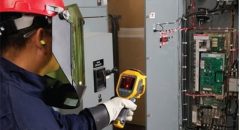
Identify, evaluate, and control process hazards with expert risk assessments, ensuring safe, reliable, and compliant industrial operations.

Implement site safety plans, audits, and training to prevent accidents, ensuring safer construction environments and regulatory compliance.

Design, engineer, and audit fire protection systems ensuring reliable performance, asset safety, and adherence to national safety standards.
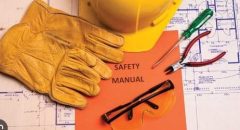
Empowering workforce with certified HSE, fire, and industrial safety training programs for skill development and regulatory competence.

Create immersive, interactive VR safety training modules for realistic learning experiences in hazard recognition and emergency preparedness.
Fire Safety Training helps employees understand workplace fire hazards, preventive measures, emergency procedures, evacuation principles and appropriate actions if a fire occurs.
Training may be relevant to employees, contractors, supervisors, operations teams, maintenance personnel, facility teams and HSE/EHS personnel. The appropriate scope depends on workplace risks and individual responsibilities.
Depending on organizational requirements, training can address fire hazards, prevention, alarm procedures, fire extinguisher awareness, evacuation, emergency communication and employee responsibilities during a fire.
Employees need to understand how to respond to an alarm, use designated evacuation routes, reach assembly areas and follow workplace emergency instructions without creating additional risk.
No. Fire hazards and emergency-preparedness requirements can exist in manufacturing plants, warehouses, construction environments, commercial facilities and other workplaces. Training should be adapted to the site's actual risk profile.