


Identify Process Hazards. Reduce Industrial Risks. Strengthen Operational Safety.Engineering-led process safety consulting to identify industrial hazards, evaluate critical risks, and strengthen operational safety.
Industrial facilities handling hazardous chemicals, flammable materials, high-pressure systems, and complex manufacturing processes require a structured approach to process safety. Equipment failures, uncontrolled process deviations, and inadequate safeguards can lead to serious incidents, production interruptions, and significant financial losses.
Aura Safety & Risk Consultants provides specialized process safety consulting services to help industrial organizations identify hazards, assess potential consequences, evaluate existing safeguards, and develop practical risk reduction measures.
With over 10 years of experience in safety and risk consulting, Aura Safety supports organizations in strengthening process safety management through systematic engineering assessments and risk-based recommendations.
Whether your organization is planning a new industrial facility, modifying an existing process, or reviewing operational risks, our consulting approach focuses on improving safety decision-making and protecting people, assets, and business continuity.
Get a Quote | Explore Process Safety Services
Saudi Arabia’s industrial sector includes oil and gas operations, petrochemical complexes, refineries, chemical manufacturing facilities, energy infrastructure, and other high-hazard industries.
These facilities often operate interconnected systems where a single equipment malfunction, process upset, or failure of a critical protection layer can escalate into a major incident.
Process safety consulting helps organizations understand these scenarios before they result in harm. Unlike general workplace safety, which primarily addresses occupational hazards, process safety focuses on preventing and mitigating major accidents involving hazardous materials and industrial processes.
Aura Safety’s consulting approach supports organizations in:
By connecting technical assessments with operational priorities, organizations can make more informed decisions about safety investments, plant modifications, and risk control measures.
Aura Safety provides process safety and risk assessment services that support different stages of an industrial facility’s lifecycle, from design and development through operation, modification, and periodic safety review.
A HAZOP study systematically examines process design and operating conditions to identify deviations that could lead to unsafe situations or operational problems.
HAZOP helps engineering and operations teams assess potential causes, consequences, existing safeguards, and recommended actions before hazardous scenarios develop.
LOPA provides a semi-quantitative approach to evaluating process risk scenarios and determining whether independent protection layers provide sufficient risk reduction.
The study helps organizations assess safeguard adequacy, identify risk reduction gaps, and support decisions about additional protective measures.
Safety Integrity Level (SIL) studies help determine the required integrity of safety instrumented functions and evaluate whether proposed or installed protection systems meet defined safety requirements.
Depending on the project scope, these activities may include SIL determination, SIL verification, and SIL validation.
Quantitative risk assessment (QRA) evaluates selected major accident scenarios using numerical methods to estimate event frequencies and potential consequences.
QRA findings can support facility planning, risk prioritization, evaluation of risk reduction measures, and decisions concerning hazardous industrial operations.
Fire and explosion risk assessment examines scenarios involving flammable substances, ignition sources, and potential fire or explosion consequences.
The assessment helps identify vulnerable areas, review existing controls, and recommend appropriate prevention and mitigation measures.
Bow tie analysis visually connects hazardous events with their causes, consequences, and associated safety barriers.
This methodology helps management and operational teams understand how preventive and mitigative controls contribute to managing major accident risks.
Process hazard analysis (PHA) systematically identifies and evaluates hazards associated with industrial processes.
Depending on the facility and assessment objectives, PHA may use techniques such as HAZOP, What-If Analysis, checklists, or other structured hazard identification methods.
Failure mode and effects analysis (FMEA) examines how equipment, components, or systems could fail and evaluates the potential effects of those failures.
The findings support engineering teams in prioritizing reliability improvements, preventive measures, and corrective actions.
Major industrial incidents can have consequences extending far beyond the immediate operating area. They may affect employees, contractors, surrounding communities, critical infrastructure, and long-term business performance.
An effective process safety management approach helps organizations address these risks systematically rather than relying only on reactive corrective measures.
Structured hazard identification and risk assessment help uncover credible accident scenarios and weaknesses in existing safeguards. This enables organizations to prioritize preventive measures before failures escalate.
Process safety studies evaluate hazardous releases, fires, explosions, and other potentially severe events, helping organizations select controls that reduce the likelihood or consequences of these incidents.
Industrial projects may be subject to applicable Saudi Arabian regulatory requirements, client specifications, and internationally recognized engineering standards.
Process safety studies can provide technical evidence and documentation to support compliance assessments. The specific requirements must be established for each project and facility.
Identifying critical process vulnerabilities can help facilities prioritize improvements that reduce the likelihood of safety-related shutdowns, equipment damage, and interruptions to production.
Process safety assessments help decision-makers distinguish between critical safeguards and lower-priority improvements, supporting more targeted allocation of engineering and safety resources.
Upstream, midstream, and downstream operations involving hazardous hydrocarbons and complex process systems.
Chemical processing, reaction systems, hazardous material handling, and storage operations.
Thermal power generation, utility systems, and process-related energy infrastructure.
Facilities with critical process equipment, chemical hazards, and complex production systems.
Gas treatment, compression, liquefaction, storage, and transfer operations.
Facilities storing or transferring flammable, toxic, or otherwise hazardous materials.
Aura Safety follows a structured, risk-based approach that connects hazard identification with practical engineering recommendations.
Organizations should consider process safety consulting at key points in a facility’s lifecycle.
Project stage | Typical consulting requirement |
Concept and feasibility | Early hazard identification and preliminary risk assessment |
Front-End Engineering Design (FEED) | HAZID, HAZOP planning, and risk evaluation |
Detailed engineering | HAZOP, LOPA, SIL determination, and other design-related assessments |
Before commissioning | Review of outstanding safety actions and readiness-related risk concerns |
During operations | Process hazard reviews, safeguard evaluations, and risk reassessments |
Process modifications | Assessment of hazards introduced by changes to equipment, processes, or operating conditions |
Periodic review | HAZOP revalidation and other risk assessment updates where required |
Early engagement can help identify design-related safety issues before changes become more difficult or expensive to implement.
Selecting a process safety consultant requires more than finding a provider who can produce technical reports. Industrial organizations need clear methodologies, relevant technical expertise, and recommendations that can be translated into engineering and operational decisions.
Aura Safety & Risk Consultants brings over a decade of experience in safety and risk consulting, supporting organizations with structured risk assessment and safety improvement activities.
Our process safety service portfolio includes hazard identification, risk assessment, and safety engineering studies designed to address complex industrial risk scenarios.
We emphasize clear assessment findings and actionable recommendations that help engineering, operations, and HSE teams prioritize safety improvements.
Our approach considers both technical safety requirements and operational objectives, helping organizations evaluate risk reduction measures in the context of plant reliability, asset protection, and business continuity.
Whether your organization requires a HAZOP study, LOPA, SIL assessment, QRA, or a broader process safety review, Aura Safety & Risk Consultants can help you define the appropriate assessment scope and identify priorities for managing industrial risks.
Share your project requirements, facility details, or technical study objectives with our team to discuss the next steps.
Get a Quote | Contact Us
+91 99994 02106
World-Wide Safety Consultation
Discuss your process, project stage, available documentation and required schedule before finalizing the study scope.

Identify, evaluate, and control process hazards with expert risk assessments, ensuring safe, reliable, and compliant industrial operations.
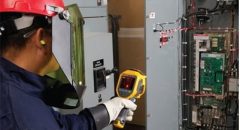
Identify, evaluate, and control process hazards with expert risk assessments, ensuring safe, reliable, and compliant industrial operations.

Implement site safety plans, audits, and training to prevent accidents, ensuring safer construction environments and regulatory compliance.

Design, engineer, and audit fire protection systems ensuring reliable performance, asset safety, and adherence to national safety standards.

Empowering workforce with certified HSE, fire, and industrial safety training programs for skill development and regulatory competence.

Create immersive, interactive VR safety training modules for realistic learning experiences in hazard recognition and emergency preparedness.
A process safety consultant helps industrial organizations identify hazards associated with hazardous substances and processes, evaluate major accident scenarios, assess safeguards, and recommend measures to reduce risks. Common activities include HAZOP, LOPA, SIL studies, QRA, and other process risk assessments.
Process safety consulting is particularly relevant to oil and gas, petrochemical, chemical manufacturing, LNG, energy, and other industries handling hazardous substances or operating high-risk process systems.
Occupational safety focuses on workplace hazards that can cause injuries or illnesses, such as falls, machinery contact, and unsafe working practices. Process safety focuses on preventing major incidents caused by failures in industrial processes, hazardous material containment, and critical safety systems.
Both disciplines are important and complement each other.
A HAZOP study may be conducted during engineering design, before commissioning, following significant process modifications, or during periodic process safety reviews. The need and timing depend on project requirements, applicable regulations, and the facility's risk profile.
HAZOP is a systematic hazard identification technique that examines process deviations, their causes, consequences, and safeguards.
LOPA is a semi-quantitative risk assessment method used to evaluate selected accident scenarios and determine whether independent protection layers provide sufficient risk reduction.
The cost depends on the type of study, process complexity, number of systems or HAZOP nodes, availability of technical documents, assessment methodology, workshop requirements, and project deliverables.
A project-specific proposal helps establish the appropriate scope and commercial requirements
Yes. Process safety assessments can support compliance-related activities by providing documented hazard evaluations, safeguard assessments, and technical recommendations. Applicable Saudi requirements and project-specific standards should be identified and verified before defining the study scope
