

Navigating industrial safety regulations doesn't have to be complex. This comprehensive guide helps Indian facility owners, plant managers, and safety personnel understand Major Accident Hazard (MAH) compliance, essential safety protocols, and risk mitigation strategies to protect your operations, workforce, and surrounding communities.
Facilities that process, store, or transport hazardous chemicals—such as industrial gases, fuels, or corrosive acids—are subject to strict process safety regulations. These frameworks are designed to prevent catastrophic events like toxic gas leaks, massive fires, or explosions, ultimately safeguarding human life, ensuring operational continuity, and protecting the environment.
Following the tragic Bhopal gas disaster of 1984, the Indian government implemented robust industrial safety legislation to align with global standards. Key regulatory milestones include the following:
Any industrial facility, manufacturing plant, or warehouse that stores or utilizes hazardous chemicals exceeding government-mandated threshold quantities is legally obligated to comply with these safety regulations.
MAH rules typically apply to high-risk industrial sectors, including:
Every facility owner (legally termed the “occupier”) carries the responsibility to ensure the following:
Maintain a documented emergency response plan, ensure evacuation routes are clearly marked and unobstructed, conduct routine safety drills for fire and chemical leak scenarios, and perform systematic safety inspections.
Draft and submit a formal safety report to regulatory bodies. Facilitate both internal self-assessments and independent external safety audits. Additionally, collaborate with local government agencies to integrate your facility’s safety data into regional off-site emergency planning.
Oversight and enforcement are jointly managed by:
Regulatory inspectors possess the authority to conduct unannounced site visits, audit safety documentation, and immediately halt operations if hazardous conditions are identified. Non-compliance can result in severe financial penalties, legal action, or the permanent closure of the facility.
Authorities actively review submitted safety reports and conduct on-site facility audits to verify that hazard control systems are functional, safety protocols are actively practiced, and on-site personnel are adequately trained to handle crises.
Establish a formalized safety framework that clearly outlines leadership responsibilities, hazard management protocols, and proactive accident prevention strategies.
Perform a thorough hazard identification & risk assessment to systematically evaluate potential failure points. For flammable materials and volatile environments, conducting a targeted fire & explosion risk assessment helps develop tailored containment and response strategies for each specific scenario.
Formulate a detailed on-site emergency plan outlining immediate containment procedures, supported by an escape evacuation rescue analysis to ensure safe routing for on-premise staff, alongside an off-site emergency plan designed in collaboration with local fire departments, medical services, and disaster response teams.
Proactively engage with the surrounding community. Educating local residents on emergency protocols and evacuation signals builds public trust and minimizes panic during a critical event.
Mitigate external risks by maintaining a safe operational distance from residential areas, schools, and hospitals. Implement physical buffer zones to contain potential hazards within the facility perimeter.
If your facility operates within an industrial estate, share risk assessments and coordinate emergency response strategies with neighboring plants. This collaboration prevents localized incidents from triggering catastrophic chain reactions (known as the “domino effect”).
Historic tragedies, such as the 2020 LG Polymers gas leak in Visakhapatnam, underscore the severe consequences of neglected safety audits and deferred maintenance. Continuous upgrading of safety infrastructure and rigorous staff training are non-negotiable for operational survival.
Extreme weather events—including severe flooding, extreme heatwaves, and cyclones—can compromise storage tanks and critical safety systems. Integrate environmental risk factors into your safety planning to ensure structural resilience against climate anomalies.
Mandate annual internal safety audits, incorporating continuous psm audit & implementation practices, to identify and rectify vulnerabilities. Formal Safety Reports must be comprehensively reviewed and updated at least every two years, or immediately following significant operational changes, to ensure ongoing compliance.
Don’t wait for a critical incident to address operational safety. If you are navigating complex compliance requirements, require professional risk assessments, or need to formulate robust emergency plans, partner with industry specialists.
Aura Safety Risk Consultant empowers Indian industries to achieve stringent safety standards, develop comprehensive MAH reports, and execute highly effective workforce training programs.
Call us: 9999402106 | Contact us
Let Aura Safety ensure your facility is compliant, secure, and fully prepared to mitigate any operational challenge.
+91 99994 02106

Identify, evaluate, and control process hazards with expert risk assessments, ensuring safe, reliable, and compliant industrial operations.
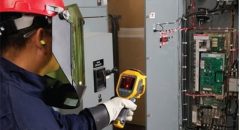
Identify, evaluate, and control process hazards with expert risk assessments, ensuring safe, reliable, and compliant industrial operations.

Implement site safety plans, audits, and training to prevent accidents, ensuring safer construction environments and regulatory compliance.

Design, engineer, and audit fire protection systems ensuring reliable performance, asset safety, and adherence to national safety standards.

Empowering workforce with certified HSE, fire, and industrial safety training programs for skill development and regulatory competence.

Create immersive, interactive VR safety training modules for realistic learning experiences in hazard recognition and emergency preparedness.
Any big fire, gas leak, or explosion that harms people, property, or the environment.
Your state’s Factory Inspectorate and Pollution Control Board monitor and inspect factories.
At least once every year. Big sites must also get an external audit every two years.
Follow the emergency plan, alert the supervisor, and move to safe assembly points.
So they know what to do in an emergency and trust your safety efforts.
Even small sites must follow basic safety steps — training, first aid, alarms, and fire control.
Because floods or heat can damage tanks or safety systems and lead to chemical leaks.
A major accident involves significant events—such as uncontrollable fires, large-scale toxic gas leaks, or explosions—that cause severe harm to human life, extensive property damage, or long-term environmental contamination.
Compliance is primarily monitored by your state’s Directorate of Industrial Safety and Health (Factory Inspectorate) in conjunction with State and Central Pollution Control Boards.
Internal safety audits should be performed annually. Large-scale and high-risk facilities are legally mandated to undergo an independent external safety audit at least once every two years.
Workers must immediately activate the alarm, adhere strictly to the established emergency response plan, notify their direct supervisor, and evacuate safely to designated assembly points.
Transparent communication ensures neighboring residents understand emergency sirens and evacuation protocols, minimizing panic, mitigating off-site casualties, and building long-term public trust in your operations.
No facility is entirely exempt from safety oversight. While formal reporting requirements vary by size, small sites are legally required to implement foundational safety measures, including employee training, accessible first aid, functional alarms, and basic fire control systems.
Severe weather events like flooding, cyclones, or extreme heat can compromise the structural integrity of chemical storage tanks and disable electronic safety systems, directly leading to hazardous leaks or catastrophic structural failures.