

Tragic Delhi Fire Claims 9 Lives: The Urgent Need for AC Safety and Fire Risk Management
New Delhi | May 03, 2026 — A devastating fire broke out in a four-storey residential building in Delhi’s Vivek Vihar area in the early hours
Home » News
New Delhi | May 03, 2026 — A devastating fire broke out in a four-storey residential building in Delhi’s Vivek Vihar area in the early hours
The Ministry of Health and Family Welfare (MoHFW), in a decisive collaboration with the National Disaster Management Authority (NDMA), has issued a high-priority directive to
Deadly Incident in Shanxi Province Raises Fresh Concerns Over Mining Safety and Emergency Preparedness A devastating underground gas explosion at the Liushenyu Coal Mine in
Tragic South Delhi Fire Raises Fresh Concerns Over Emergency Preparedness and Building Fire Safety New Delhi | June 2026 A devastating fire at a hotel
Visakhapatnam, India A major industrial accident at the Visakhapatnam Steel Plant (RINL) has resulted in the death of eight workers and left several others critically

Identify, evaluate, and control process hazards with expert risk assessments ensuring safe, reliable, and compliant industrial operations.
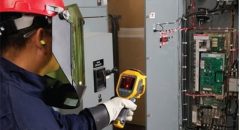
Comprehensive electrical safety audits and engineering solutions minimizing risks, preventing accidents, and ensuring complete statutory compliance.
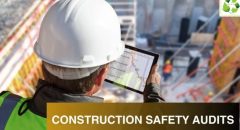
Implement site safety plans, audits, and training to prevent accidents, ensuring safer construction environments and regulatory compliance.

Design, engineer, and audit fire protection systems ensuring reliable performance, asset safety, and adherence to national safety standards.
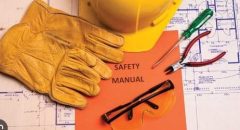
Empowering workforce with certified HSE, fire, and industrial safety training programs for skill development and regulatory competence.

Create immersive, interactive VR safety training modules for realistic learning experiences in hazard recognition and emergency preparedness.

Deliver ISO and management system certifications with expert training to enhance compliance, quality, and safety performance standards.

Develop customized emergency response and disaster management plans ensuring preparedness, rapid action, and operational resilience.

Promote environmental responsibility through energy audits, waste management, and sustainable development consulting for industries.

Provide risk assessments and safety audits supporting insurance claims, compliance, and liability reduction for industrial clients.

Optimize transport operations with safety audits, driver training, and risk management to reduce accidents and ensure regulatory compliance.

Offer design, analysis, and safety-driven engineering solutions tailored to improve industrial reliability, performance, and compliance.

Enhance workplace protection through customized safety innovations, risk-based audits, performance improvement tools, and proactive safety culture programs tailored to your organization’s needs.

Drive efficiency through custom HSE and safety management software solutions designed for digital reporting, compliance tracking, data analytics, and real-time monitoring across industrial operations.
Empowering organizations to promote a culture of responsible driving through experiential road safety campaigns, simulations, and corporate training programs tailored for industrial and community impact.
Industrial accidents usually happen due to unsafe practices, lack of training, equipment failure, poor maintenance, absence of safety audits, or non-compliance with safety regulations. Most incidents can be prevented through proper risk assessment and safety management systems.
Yes. Regular safety audits help identify hazards, compliance gaps, unsafe conditions, and operational risks before they lead to accidents. Preventive safety inspections significantly reduce the chances of major incidents.
Workplace safety protects employees, infrastructure, operations, and the environment. A strong safety culture reduces injuries, improves productivity, ensures legal compliance, and protects company reputation.
Common causes include:
Companies can improve safety standards by:
Safety compliance helps businesses avoid accidents, legal penalties, operational downtime, financial losses, and reputational damage while ensuring employee well-being and regulatory adherence.
Proper employee training ensures workers understand hazards, emergency procedures, safe equipment handling, and compliance protocols, which greatly reduces accident risks.
Industrial disasters highlight the importance of preventive maintenance, hazard identification, emergency preparedness, proper supervision, and strict adherence to safety standards.
Fire safety systems such as alarms, extinguishers, hydrants, evacuation plans, and fire audits help detect and control fire incidents early, minimizing injuries and property loss.
A safety checklist is a structured process used to inspect hazards, verify compliance, and ensure operational safety. It helps organizations identify risks before accidents occur.
Safety regulations in India are governed by various authorities including the Factories Act, National Building Code (NBC), Fire Safety Norms, and Occupational Safety, Health and Working Conditions Code (OSH Code).
Regular safety audits help industries maintain compliance, reduce operational risks, improve worker safety, and prevent costly accidents and shutdowns.
Industries such as manufacturing, construction, oil & gas, pharmaceuticals, warehouses, power plants, and commercial buildings often require mandatory safety inspections.
Safety failures can lead to:
An effective safety management system includes: