


Every day, millions of people travel on roads for work, education, business, and personal activities. While road transportation is essential to everyday life and economic development, it also exposes drivers, passengers, pedestrians, and other road users to potentially serious hazards.
Speeding, distracted driving, unsafe overtaking, poor vehicle maintenance, and failure to follow traffic rules can result in accidents, injuries, fatalities, and property damage.
Traffic safety awareness plays an important role in preventing road accidents by helping people recognize hazards, understand traffic rules, and adopt responsible road-use practices.
For businesses, traffic safety extends beyond public roads. Employee transportation, logistics operations, commercial vehicle movement, and internal traffic within industrial facilities all require effective safety management.
Understanding the importance of traffic safety awareness is therefore essential for individuals, employers, and organizations committed to protecting lives and reducing transportation-related risks.
What Is Traffic Safety Awareness?
Traffic safety awareness refers to understanding the rules, responsibilities, hazards, and preventive measures associated with using roads safely.
It involves educating drivers, passengers, pedestrians, cyclists, and other road users about safe behavior and the potential consequences of unsafe actions.
Traffic safety awareness includes:
- Understanding and following traffic signals, signs, and road markings.
- Maintaining safe driving speeds and adequate stopping distances.
- Wearing seat belts and appropriate protective helmets.
- Avoiding mobile phone use and other distractions while driving.
- Recognizing hazards involving pedestrians, cyclists, and heavy vehicles.
- Maintaining vehicles in safe operating condition.
- Understanding the dangers of fatigue, alcohol, and impaired driving.
- Following safe pedestrian crossing and road-use practices.
Effective awareness programs go beyond explaining traffic rules. They encourage people to make safer decisions, anticipate potential hazards, and take responsibility for their own safety and that of others.
Why Is Traffic Safety Awareness Important?
Traffic safety awareness contributes to safer transportation systems by promoting responsible behavior and encouraging preventive action.
1. Helps Prevent Road Accidents
Many road accidents involve preventable factors, including excessive speed, driver distraction, unsafe maneuvers, and failure to follow traffic regulations.
Awareness helps road users identify these risks and understand how everyday decisions can influence accident likelihood.
For example, maintaining a safe following distance allows drivers more time to react to sudden braking, while reducing speed in congested areas can help prevent collisions.
2. Protects Drivers, Passengers, and Pedestrians
Road accidents can cause serious injuries, permanent disabilities, and loss of life.
Pedestrians, cyclists, motorcyclists, children, and older adults may face greater vulnerability in traffic environments.
Traffic safety education encourages drivers to remain alert, respect pedestrian crossings, and exercise additional caution around vulnerable road users.
3. Encourages Responsible Driving Behavior
Safe driving requires more than technical driving skills. It also involves patience, sound judgment, hazard recognition, and respect for other road users.
Traffic safety awareness reinforces behaviors such as following speed limits, using indicators, avoiding aggressive driving, and allowing adequate space between vehicles.
4. Reduces Financial and Operational Losses
Road accidents can create significant financial consequences for individuals and businesses.
Potential costs include vehicle repairs, medical expenses, property damage, insurance-related expenses, legal liabilities, and operational disruption.
For organizations that depend on transportation, a serious road accident may also interrupt deliveries, affect workforce availability, and delay business operations.
5. Supports Compliance With Traffic Regulations
Traffic laws establish requirements for safe road use, including speed limits, licensing, vehicle operation, and protective equipment.
Awareness programs help drivers understand their responsibilities and the importance of following applicable traffic regulations.
For employers, reinforcing safe driving expectations can also support internal transportation policies and road risk management procedures.
6. Builds a Stronger Road Safety Culture
A positive road safety culture develops when safe behavior becomes a routine responsibility rather than an occasional activity.
Regular education, management involvement, practical training, and consistent reinforcement can encourage safer habits among employees and the wider community.
Common Causes of Road Accidents
Understanding the causes of road accidents is an essential part of traffic safety awareness.
Although human behavior is an important factor, road safety also depends on vehicle condition, infrastructure, traffic management, and effective enforcement.
| Risk factor | How it increases road accident risk |
| Overspeeding | Reduces reaction time and increases stopping distance and crash severity. |
| Distracted driving | Diverts attention from road conditions, vehicles, and pedestrians. |
| Driving under the influence | Impairs judgment, coordination, and reaction time. |
| Driver fatigue | Reduces alertness and increases the risk of delayed reactions. |
| Unsafe overtaking | Increases the likelihood of collisions with approaching or adjacent vehicles. |
| Poor vehicle maintenance | Can contribute to brake failures, tire problems, and loss of vehicle control. |
| Ignoring traffic signals | Creates collision risks at intersections and pedestrian crossings. |
| Unsafe road conditions | Potholes, poor visibility, and inadequate signage can contribute to accidents. |
A comprehensive road safety approach must consider all these factors rather than placing responsibility solely on individual drivers.
Essential Traffic Safety Rules Everyone Should Follow
1. Always Wear a Seat Belt

Drivers and passengers should wear seat belts correctly whenever traveling in a vehicle. Seat belts help reduce the risk of serious injury during sudden braking and collisions.
2. Wear an Appropriate Helmet

Motorcyclists and pillion riders should use properly fitted, approved helmets and secure the chin strap correctly. Helmets provide important protection against head injuries.
3. Follow Speed Limits
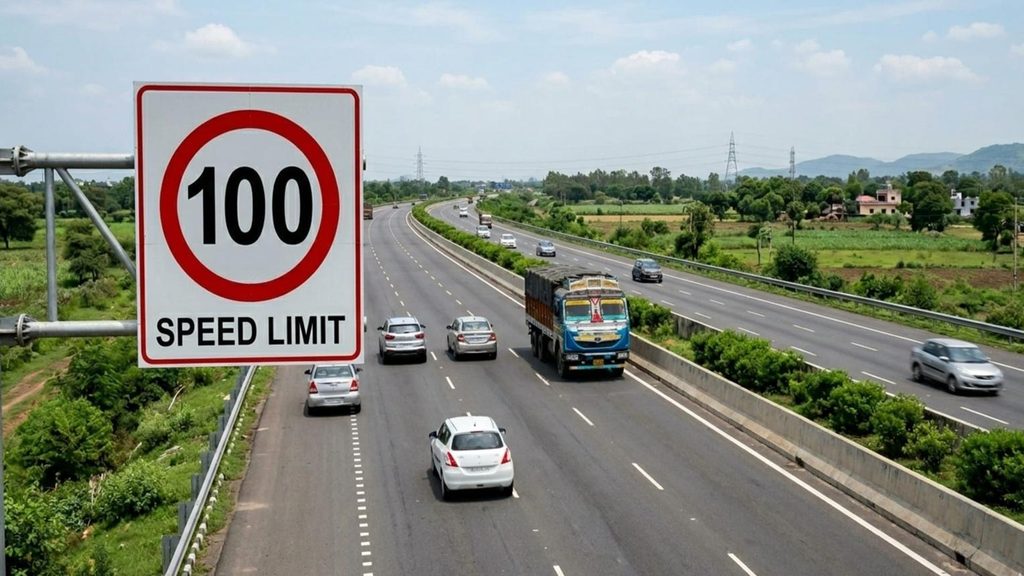
Drivers should maintain speeds appropriate to posted limits, traffic conditions, visibility, weather, and road surfaces. Slower speeds are especially important near schools, intersections, and pedestrian areas.
4. Avoid Distracted Driving

Mobile phones, navigation devices, conversations, and other distractions can reduce driving attention. Drivers should configure navigation before starting and stop in a safe location when they need to use their phones.
5. Maintain Your Vehicle
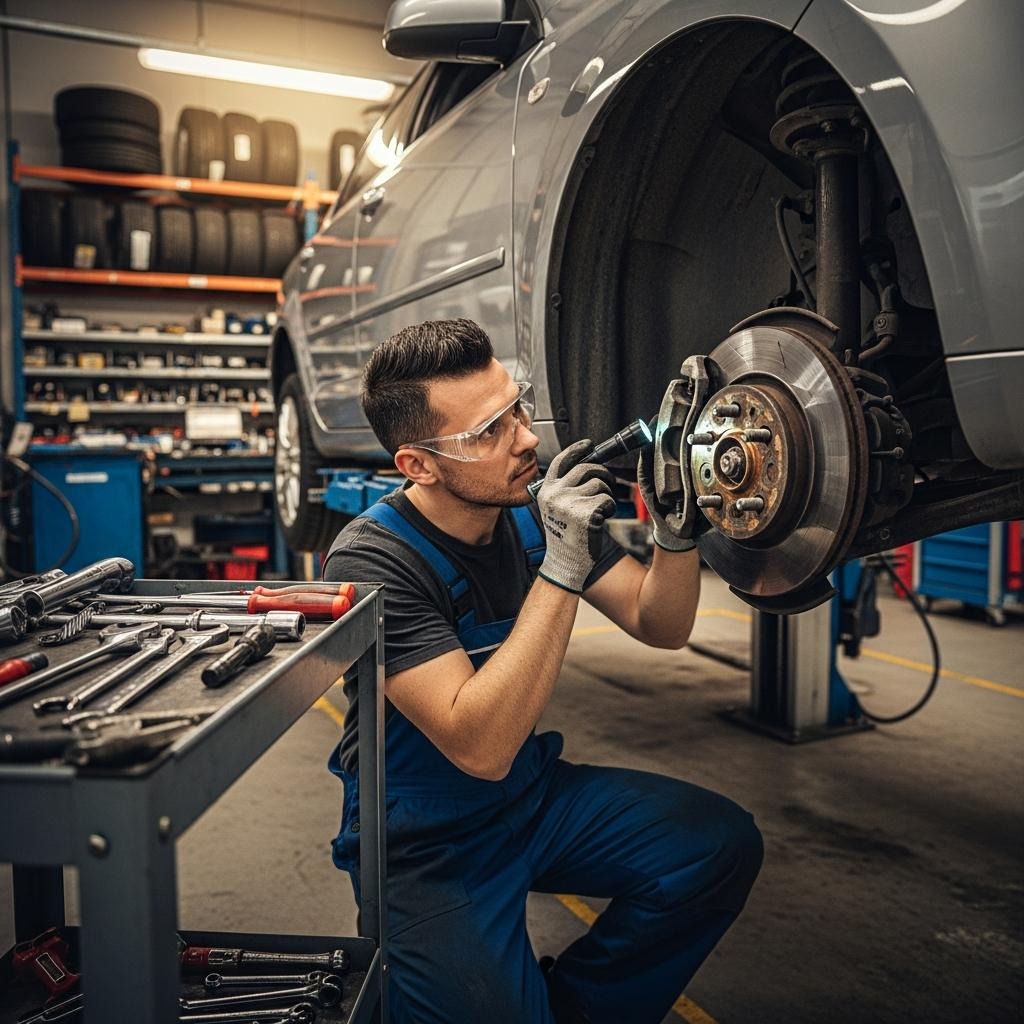
Regular checks of tires, brakes, lights, steering, mirrors, and other safety-critical components can help identify defects before they contribute to an incident.
Other important practices include avoiding driving while impaired or fatigued, respecting pedestrian crossings, maintaining safe following distances, and using indicators before turning or changing lanes.
Importance of Traffic Safety Awareness in the Workplace
Traffic safety is not limited to public roads. Many organizations operate vehicles, transport employees, receive deliveries, or manage vehicle movement within their facilities.
Factories, warehouses, construction sites, logistics centers, and commercial premises may experience traffic-related risks involving trucks, forklifts, passenger vehicles, pedestrians, and material-handling equipment.
Workplace traffic safety awareness helps employees and contractors understand these hazards and follow appropriate control measures.
Employee Transportation Safety
Organizations that provide or arrange employee transportation should consider the risks associated with daily commuting and business travel.
Important considerations include driver competence, vehicle condition, journey planning, passenger safety, and emergency preparedness.
Industrial Vehicle Movement
Industrial facilities frequently involve interactions between pedestrians and moving vehicles.
Without effective traffic management, these interactions may create collision, reversing, and struck-by hazards.
Measures such as designated vehicle routes, pedestrian walkways, speed restrictions, warning signs, and controlled loading areas can help reduce exposure.
Commercial Fleet and Logistics Safety
Organizations operating commercial vehicles face risks related to long journeys, driver fatigue, delivery schedules, vehicle condition, and changing road environments.
Traffic safety awareness can complement logistics safety services, driver training, vehicle inspections, and journey risk assessments.
Contractor and Visitor Safety
Contractors, delivery personnel, and visitors may be unfamiliar with a facility’s traffic arrangements.
Clear signage, site instructions, designated parking areas, and appropriate induction procedures can help them navigate the premises more safely.
How Organizations Can Improve Traffic Safety Awareness
Businesses can strengthen traffic safety by combining awareness initiatives with practical risk controls, employee participation, and management oversight.
1. Conduct Road Safety Awareness Programs
Regular road safety awareness and training programs can help employees understand common traffic hazards, safe driving practices, and the consequences of unsafe behavior.
Organizations can incorporate road safety topics into induction programs, safety meetings, toolbox talks, and employee engagement activities.
2. Provide Defensive Driving Education
Defensive driving focuses on anticipating hazards and responding safely to unexpected road situations.
Training may address hazard perception, maintaining safe distances, speed management, vehicle positioning, and appropriate responses to adverse weather.
3. Implement Workplace Traffic Management Measures
Facilities with regular vehicle movement should conduct hazard identification and risk assessment and introduce suitable controls.
These may include segregated pedestrian routes, clearly marked crossings, designated loading zones, controlled reversing procedures, and site-specific speed limits.
4. Use Traffic Safety Awareness Posters and Campaigns
Visual communication helps reinforce important safety messages.
Organizations can display posters covering seat belt use, helmet safety, speed management, pedestrian awareness, and distracted driving in parking areas, transport offices, and employee common areas.
5. Review Road-Related Incidents and Near Misses
Incident reporting helps organizations identify recurring traffic hazards and weaknesses in existing controls.
Reviewing collisions, unsafe driving observations, and near misses can support targeted corrective actions and continuous improvement.
6. Measure the Effectiveness of Awareness Activities
Organizations should assess whether safety initiatives lead to practical improvements rather than relying solely on attendance records.
Useful indicators may include vehicle inspection completion, reported traffic hazards, driver training participation, and corrective action closure.
Road Safety Awareness in India: Why Continued Education Matters
India’s road environment includes high traffic density, mixed vehicle types, pedestrians, two-wheelers, commercial transportation, and significant differences in road infrastructure.
According to the World Health Organization’s July 2026 road traffic injury fact sheet, approximately 1.16 million people die worldwide each year due to road traffic crashes. More than half of these deaths involve vulnerable road users, including pedestrians, cyclists, and motorcyclists.
These figures highlight why road safety requires sustained attention from governments, employers, communities, and individuals.
Road safety campaigns and awareness initiatives can help reinforce responsible driving behavior, but lasting improvement also depends on safer roads, safer vehicles, appropriate speeds, effective enforcement, and emergency response capabilities.
For businesses in India, incorporating road safety into workplace safety management can help address risks associated with commuting, business travel, fleet operations, and industrial vehicle movement.
What Should You Do If You Witness a Road Accident?
Knowing how to respond after a traffic accident is another important aspect of road safety awareness.
- Assess the scene: Avoid entering moving traffic or approaching hazards that could place you in danger.
- Contact emergency services: Report the accident location, the number of people involved, and any visible hazards.
- Provide first aid if trained: Offer appropriate assistance within your level of training while awaiting professional responders.
- Avoid unnecessary movement: Do not move injured individuals unless remaining in place presents an immediate danger or emergency responders instruct you to do so.
- Support emergency access: Keep access routes clear for ambulances, police, and rescue personnel.
Prompt and appropriate emergency action can help reduce the consequences of road traffic incidents.
Building a Long-Term Traffic Safety Culture
Traffic safety awareness should not be limited to a single campaign, training session, or annual event.
Lasting improvement requires consistent leadership, employee involvement, hazard reporting, practical training, and periodic review of safety performance.
Organizations can begin by identifying transportation-related risks, establishing clear safety expectations, and communicating them to employees, contractors, and visitors.
Traffic safety is a shared responsibility. When individuals follow safe road-use practices and organizations manage transportation risks systematically, they contribute to safer journeys and more resilient operations.
How Aura Safety Can Support Your Organisation
At Aura Safety & Risk Consultants, we recognize the importance of identifying workplace hazards, strengthening safety awareness, and supporting organizations in managing operational risks.
Organizations reviewing transportation-related hazards can explore how broader workplace safety assessments, risk management practices, and HSE training initiatives fit into their safety improvement plans.
To discuss your organisation’s workplace safety requirements, contact us.
Conclusion: Traffic Safety Awareness Is Everyone’s Responsibility
The importance of traffic safety awareness extends far beyond understanding traffic signals and road signs. It involves recognising hazards, making responsible decisions, protecting vulnerable road users, and taking preventive action.
For individuals, road safety awareness supports safer everyday travel. For businesses, it contributes to employee protection, risk management, and operational continuity.
By promoting safe driving practices, improving workplace traffic arrangements, and reinforcing safety education, organizations can help reduce preventable road incidents.
Safer roads begin with awareness, but meaningful results depend on putting that awareness into practice every day.
Get a Quote: Explore our HSE Training Academy
Frequently Asked Questions About Traffic Safety Awareness
Traffic safety awareness helps people understand road hazards, follow traffic rules, and make safer decisions while driving, walking, or riding. It supports accident prevention and helps protect all road users.
Five essential rules are following speed limits, wearing seat belts or helmets as appropriate, avoiding distracted driving, obeying traffic signals, and maintaining vehicles in safe condition.
Awareness encourages safer behavior by helping road users recognize hazards, anticipate dangerous situations, and follow preventive practices. Its effectiveness improves when supported by safe infrastructure, vehicle maintenance, and enforcement.
Employees may encounter traffic risks during commuting, business travel, deliveries, and workplace vehicle operations. Awareness helps them understand these hazards and adopt appropriate precautions.
Organisations can arrange safety talks, driver education sessions, poster campaigns, vehicle safety inspections, road safety quizzes, and practical hazard-identification exercises.
Road safety broadly covers measures intended to prevent injuries and fatalities on roads. Traffic safety focuses particularly on safe movement and interactions among vehicles, pedestrians, cyclists, and other road users. The terms are often used interchangeably.
Companies can assess vehicle movement risks, separate pedestrian and vehicle routes, establish speed limits, manage reversing operations, maintain signage, and provide site-specific traffic safety instructions.
Traffic conditions, vehicle operations, and employee behaviors change over time. Ongoing awareness helps reinforce safe practices, address emerging hazards, and maintain attention to transportation risks.