

Empowering German Enterprise with Elite Risk Management, CE Compliance, and ArbSchG Excellence
Operating within Germany’s industrial sectors requires navigating some of the most stringent occupational health and safety laws in the world. From the automotive hubs of Baden-Württemberg to the chemical complexes of North Rhine-Westphalia, maintaining regulatory compliance while optimizing high-throughput operations demands a highly technical approach to risk mitigation.
As premier industrial safety consultants, we deliver comprehensive Process Safety, Functional Safety, and EHS solutions tailored to the strict landscape of German engineering. We partner with plant managers, operations directors, and HSE executives to implement advanced safety frameworks that secure business continuity, protect high-value assets, and fully satisfy statutory mandates.
Our specialized consulting services bridge the gap between complex European/German safety mandates and day-to-day manufacturing realities. We provide end-to-end engineering, risk assessments, and auditing services designed to mitigate industrial hazards before they manifest as operational downtime.
In Germany, industrial safety is deeply institutionalized. Failing to meet established safety standards exposes an organization to catastrophic legal liabilities, severe financial penalties by the Berufsgenossenschaften (institution for statutory accident insurance), and long-term reputational damage. Proactive safety engineering ensures that risks are engineered out of the process early, rather than managed reactively. This safeguards your workforce, preserves your license to operate, and enhances your market standing.
Our engineering-led consultancy utilizes advanced methodologies and software to deliver highly accurate safety intelligence:
We deploy a structured, five-stage methodology to ensure your safety frameworks are robust, scalable, and practical:
Advanced process safety engineering for complex, high-hazard chemical manufacturing facilities.
Machinery safety, robotic cell validation, and assembly line risk mitigation.
Comprehensive risk assessments for conventional power generation, hydrogen infrastructure, and renewable energy assets.
Large-scale fire load calculations, warehouse traffic management, and automated systems safety.
Our frameworks are engineered to meet the highest domestic and international benchmarks, including:
We bring deep technical safety engineering credentials combined with an acute understanding of localized European regulatory demands. We do not provide generic advice; we deliver data-driven, engineered safety solutions that fit seamlessly into sophisticated industrial workflows. Our consultants bridge the gap between corporate compliance objectives and ground-level operational realities.
Ensure your facility meets the highest benchmarks of European safety engineering and local regulatory compliance.
+91 99994 02106
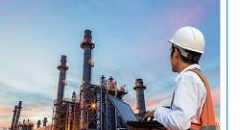
Identify, evaluate, and control process hazards with expert risk assessments, ensuring safe, reliable, and compliant industrial operations.
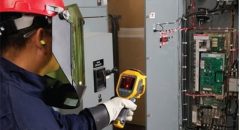
Identify, evaluate, and control process hazards with expert risk assessments, ensuring safe, reliable, and compliant industrial operations.
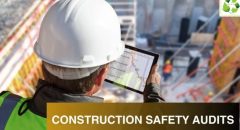
Implement site safety plans, audits, and training to prevent accidents, ensuring safer construction environments and regulatory compliance.

Design, engineer, and audit fire protection systems ensuring reliable performance, asset safety, and adherence to national safety standards.
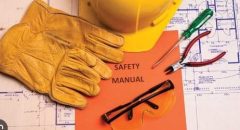
Empowering workforce with certified HSE, fire, and industrial safety training programs for skill development and regulatory competence.

Create immersive, interactive VR safety training modules for realistic learning experiences in hazard recognition and emergency preparedness.
The Betriebssicherheitsverordnung dictates the health and safety requirements for the use of work equipment. It mandates that operators perform systematic risk assessments (Gefährdungsbeurteilung) before equipment usage and establish rigorous inspection intervals by qualified persons.
We conduct complete machinery risk assessments according to EN ISO 12100, identify applicable harmonized standards, perform safety function evaluations (PL/SIL), and guide your team through the technical file compilation required for CE declaration.
Yes. Our facilitators are highly experienced in leading multi-lingual workshops, providing comprehensive documentation that satisfies both international corporate standards and local German statutory requirements.