

An emergency plan is a set of rules. These rules tell people what to do when something goes wrong. This could be a fire, a gas leak, or a flood. The goal is to keep everyone safe and stop things from getting worse.
If you own a business or run a factory, you must have a plan. It is the law. A good plan saves lives. It also protects your building and the tools inside. Without a plan, people might panic. Panic leads to mistakes.
There are two types of plans.
The onsite plan is your first line of defense. It starts the moment an alarm rings.
A good onsite plan has these parts:
In an emergency, specific people have jobs to do:
You must keep your gear ready. Check your fire extinguishers every month. Make sure your first aid kits are full. In 2026, many factories use smart sensors. These sensors can “smell” smoke or gas before a human does.
Sometimes, a problem is too big for just one factory. If a gas cloud moves toward a town, you need an offsite plan.
The offsite plan involves the police, the hospital, and the fire department. It explains how to warn the people living nearby. It also maps out paths for ambulances to move quickly.
The factory owner does not run the offsite plan alone. The local government usually leads it. The factory must give the government a list of all the chemicals they store. This helps the doctors know how to treat people.
During a big emergency, communication is key.
Creating a plan takes three simple steps.
Look around. What can go wrong? Is there a machine that gets too hot? Are there chemicals that can catch fire? List every danger.
Ask yourself: “How likely is this to happen?” and “How bad will it be?” Focus on the biggest risks first.
Decide exactly what people should do for each risk.
A plan on paper is not enough. You must practice.
We call these practices Mock Drills. During a drill, you pretend there is an emergency. This helps workers remember what to do. It also shows you if your plan has mistakes. If the exit door is stuck, it is better to find out during a drill than during a real fire.
Safety is now digital. In 2026, companies use apps to track drills. These apps show who made it to the assembly point and who is still missing. Using digital tools makes your business safer and follows the latest rules.
Feature | Onsite Plan | Offsite Plan |
Area | Inside the factory walls. | The surrounding town/area. |
Who is in charge? | The Factory Manager. | Local Government/Police. |
Who is protected? | Workers and staff. | The public and nature. |
Main Goal | Stop the accident at the source. | Protect the community. |
Resources | Fire extinguishers, site alarms. | Ambulances, hospitals, police. |
+91 99994 02106
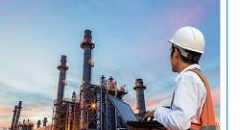
Identify, evaluate, and control process hazards with expert risk assessments, ensuring safe, reliable, and compliant industrial operations.
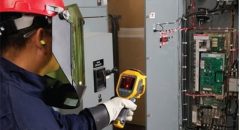
Identify, evaluate, and control process hazards with expert risk assessments, ensuring safe, reliable, and compliant industrial operations.
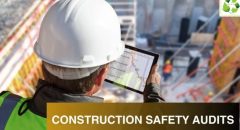
Implement site safety plans, audits, and training to prevent accidents, ensuring safer construction environments and regulatory compliance.
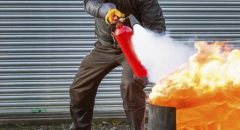
Design, engineer, and audit fire protection systems ensuring reliable performance, asset safety, and adherence to national safety standards.
Empowering workforce with certified HSE, fire, and industrial safety training programs for skill development and regulatory competence.

Create immersive, interactive VR safety training modules for realistic learning experiences in hazard recognition and emergency preparedness.
The local government or district authorities usually create it. However, the factory owner must provide all the data about hazards to help them.
Most safety laws suggest doing a drill at least twice a year. Some high-risk factories do them every three months.
No. If you work with dangerous materials, you must have both. They work together like a team to keep everyone safe.
It is a pre-chosen safe area far away from danger. It is where all employees gather so the manager can check that everyone is safe.
Mutual Aid is when neighbor companies agree to help each other. If one factory has a fire, the factory next door sends their firefighters to help.