

A disaster management plan is a written guide. It tells you what to do when something bad happens. This could be a flood, a fire, or a big storm.
The goal of the plan is to keep people safe. It also helps you save your things. Without a plan, people often panic. When you have a plan, you stay calm. You know exactly where to go and who to call.
Why You Need a Plan Today
The world is changing. We see more big storms and fires now than before. If you wait for a disaster to start, it is too late.
Having a plan saves lives. It helps kids know what to do if parents are not home. It helps businesses stay open. Most importantly, it gives you peace of mind. You can sleep better knowing you are ready.
The 5 Steps of Every Good Plan
Experts use five steps to manage disasters. You should use them too.
1. Prevention (Stopping the Risk)
Prevention means trying to stop the disaster before it starts. You cannot stop a storm, but you can stop a fire.
- Check your smoke alarms.
- Fix old wires in your house.
- Do not leave candles burning. By doing these things, you stop the disaster from ever happening.
2. Mitigation (Softening the Blow)
Mitigation means making the damage smaller. If a flood comes, you want your house to be okay.
- Put heavy things on low shelves.
- Use sandbags if you live near water.
- Build walls that are strong against wind. You are “softening the blow” so the repair is easy.
3. Preparedness (Getting Ready)
This is the most important step for you. It means being ready before the sirens go off.
- Pack a bag with food and water.
- Practice your escape route.
- Learn basic first aid. When you are prepared, you act fast. You do not waste time looking for your shoes or your phone.
4. Response (Acting Fast)
The response is what you do during the disaster.
- Follow the news.
- Listen to the police.
- Stay in your safe spot. This step is all about staying alive and helping others.
5. Recovery (Getting Back to Normal)
Recovery happens after the danger is gone.
- Clean up the mess.
- Fix broken windows.
- Talk to a doctor if you feel sad or scared. Recovery takes time. It is about building your life back to the way it was.
How to Make Your Own Family Plan
Making a plan is easy. You can do it in one afternoon. Follow these three steps.
Meet and Talk
Sit down with everyone in your home. Talk about what could happen. Ask these questions:
- What do we do if there is a fire?
- Where do we go if there is a flood?
- Who do we call if we get separated?
The “Go-Bag” Checklist
A “Go-Bag” is a backpack full of things you need. Every person needs one. It should have:
- Water: One gallon per person.
- Food: Granola bars or cans that do not need a stove.
- Flashlight: With extra batteries.
- First Aid Kit: Bandages and soap.
- Whistle: To call for help.
- Phone Charger: To keep in touch.
Pick a Safe Meeting Place
Pick two places to meet.
- Place One: Right outside your house (like a big tree). This is for fires.
- Place Two: Somewhere outside your neighborhood (like a library). This is if you cannot go home.
Using Technology in 2026
In 2026, we have great tools to stay safe. Your phone is your best friend in a disaster.
AI Alerts and Safety Apps
Modern phones now use AI Alerts. These are smart messages that tell you exactly where the danger is.
- Download a weather app.
- Turn on “Emergency Alerts” in your settings.
- Use maps to see which roads are closed. AI can now tell us a storm is coming much sooner than old tools could. Use this to your advantage.
Common Mistakes to Avoid
Many people make the same mistakes. Try to avoid these:
- Waiting too long: If the police say “leave,” leave right away.
- Forgetting pets: Your dogs and cats need a Go-Bag too! They need food and a leash.
- Not practicing: A plan on paper is good. A plan you have practiced is better. Run a “fire drill” once every six months.
- No cash: If the power goes out, credit cards might not work. Keep a little bit of paper money in your bag.
Conclusion
Disasters are scary, but you are now smarter than the disaster. By making a plan, packing a bag, and using 2026 technology, you are taking control. Start your plan today. Talk to your family tonight. Being ready is the best gift you can give your loved ones.
+91 99994 02106

Identify, evaluate, and control process hazards with expert risk assessments, ensuring safe, reliable, and compliant industrial operations.
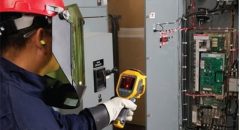
Identify, evaluate, and control process hazards with expert risk assessments, ensuring safe, reliable, and compliant industrial operations.

Implement site safety plans, audits, and training to prevent accidents, ensuring safer construction environments and regulatory compliance.
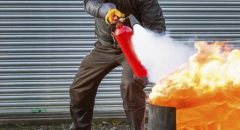
Design, engineer, and audit fire protection systems ensuring reliable performance, asset safety, and adherence to national safety standards.
Empowering workforce with certified HSE, fire, and industrial safety training programs for skill development and regulatory competence.

Create immersive, interactive VR safety training modules for realistic learning experiences in hazard recognition and emergency preparedness.
Stay where you are if it is safe. Call or text your family. Use your "Place Two" meeting spot if you cannot get home.
Check your kit every six months. Replace old food and put in fresh batteries.
Water is the most important. You can go without food for a while, but you need water to stay strong and think clearly.
Talk to them about the plan before anything happens. If they know what to do, they will feel like "helpers" instead of victims