

Professional HSE and safety consulting for businesses seeking to identify workplace risks, strengthen safety management, and support safer, more resilient operations.
Managing workplace safety requires more than completing checklists or preparing documents for an audit. Businesses need a structured approach to identifying hazards, evaluating risk, strengthening controls and maintaining effective HSE management across day-to-day operations.
Aura Safety & Risk Consultants provides multidisciplinary safety and risk consulting services covering industrial safety, process safety, construction safety, electrical safety, fire safety, HSE engineering, risk management and workforce training.
Whether your requirement involves an independent safety assessment, a specialist technical study or a broader HSE improvement programme, our consultants focus on turning safety findings into clear and practical actions.
Industrial facilities, construction projects, commercial properties and other complex workplaces may need to manage several safety risks simultaneously. These can include fire hazards, electrical risks, unsafe work practices, contractor activities, process hazards, emergency preparedness gaps and weaknesses in existing safety procedures.
An independent safety consultant can help management understand where the most significant risks exist and determine which improvements should receive priority.
Professional safety consulting can support organisations with:
Effective safety consulting should provide more than another report. It should give HSE managers, facility managers, and business leaders a clearer understanding of their risk exposure and a practical roadmap for improving safety performance.
Weak safety controls can have consequences beyond an individual workplace hazard. An incident can affect employees, contractors, equipment, production schedules, property, and overall business continuity.
A structured safety consulting program helps organizations identify weaknesses before they develop into more serious operational problems. Findings can then be prioritized according to risk so that management can focus resources on the actions that require the greatest attention.
For organizations operating in complex or higher-risk environments, this risk-based approach can support stronger safety governance, better preparedness, and more resilient operations.
A safety consultant evaluates how effectively an organization identifies, controls, and manages workplace and operational risks. The precise scope depends on the facility, industry, activities, and objectives of the engagement.
Depending on the assignment, a professional safety assessment may combine site observations, technical analysis, document review, discussions with responsible personnel, and evaluation of existing control measures.
Aura Safety’s wider technical capabilities include Hazard Identification & Risk Assessment (HIRA) , HAZOP studies , HAZID, Quantitative Risk Assessment (QRA) , FMEA, process safety studies, and multidisciplinary safety audits.
Safety audits provide a structured review of workplace conditions, operational practices, management arrangements and existing safety controls. They can help organisations identify hazards, weaknesses and areas requiring corrective action.
Aura Safety’s documented capabilities include fire, electrical, process, facility and security safety audits, allowing organisations to select an assessment appropriate to their operational risk profile.
Audit findings can be translated into prioritised corrective actions, helping HSE and operations teams establish a clearer roadmap for safety improvement.
Related service: Process Safety Audit & Implementation .
Effective safety management starts with understanding what can go wrong, who may be affected and whether the controls already in place are adequate.
Aura Safety provides hazard identification and risk assessment services to help organisations evaluate workplace and operational hazards systematically. The assessment process can support management in identifying hazards, understanding risk levels and determining where additional controls may be required.
For complex industrial facilities, general workplace risk assessments may also need to connect with specialist disciplines such as process safety, electrical safety, fire safety or construction safety.
This multidisciplinary approach helps organisations develop a more complete understanding of their risk profile rather than treating hazards as isolated observations.
Facilities handling hazardous materials, complex processes or critical operating systems may require more specialised analysis than a conventional workplace safety inspection.
Aura Safety provides a broad range of process safety consulting services designed to help organisations identify major hazards, evaluate risk and strengthen safeguards.
Relevant process safety capabilities include:
Electrical hazards can affect employee safety, equipment reliability and operational continuity. Businesses with complex electrical infrastructure may require specialist assessments to identify weaknesses that are not always visible during routine inspections.
Through Aura Safety’s electrical safety services , organisations can access technical capabilities including electrical safety audits, hazardous area classification, thermography, lightning risk assessment, arc flash studies, E-HAZOP, relay coordination and short-circuit analysis.
Fire safety requires consideration of potential ignition sources, combustible materials, fire protection arrangements, evacuation provisions and the effectiveness of existing controls.
Aura Safety provides fire protection and fire safety services covering areas such as fire audits, fire risk assessment, fire adequacy studies, fire load calculations, fire water demand calculations, hydraulic calculations and fire protection system engineering.
Combining fire safety findings with broader workplace and operational risk assessments can provide facility managers with a more integrated view of risk.
Safety procedures are most effective when employees and contractors understand both the requirements and the practical reasons behind them.
Through the Aura HSE Training Academy , organisations can strengthen workforce competence and safety awareness across a range of relevant topics.
Training capabilities include:
Training can form part of a wider safety improvement programme where audits or assessments identify competency, behaviour or awareness gaps.
Different industries face different combinations of occupational, operational, fire, electrical, process and contractor-related risks. Safety consulting should therefore reflect the actual activities and hazard profile of each organisation rather than applying the same checklist to every workplace.
Construction environments change continuously as projects progress. Work at height, lifting activities, electrical installations, contractors, temporary works and changing access arrangements can introduce new risks throughout the project lifecycle.
Aura Safety’s construction safety services include construction safety audits, construction HSE plans, contractor safety management, construction safety management, shutdown safety management systems, manpower deployment, technical due diligence, and safety culture transformation.
Manufacturing and industrial operations may involve machinery, electrical installations, chemicals, contractors, maintenance activities and production processes that require several safety disciplines to work together.
A multidisciplinary assessment can connect workplace safety with process, electrical, fire, machinery, and operational risk considerations so that recommendations reflect the wider operating environment.
Commercial properties and facilities with large numbers of occupants need effective management of fire safety, electrical hazards, emergency arrangements, evacuation, facility conditions, and other workplace risks.
A structured safety assessment can help facility and HSE teams identify weaknesses in existing arrangements and prioritize practical corrective actions.
Warehousing and logistics operations may face risks involving vehicle movement, forklifts, storage arrangements, loading activities, fire exposure, and interactions between personnel and mobile equipment.
Aura Safety’s documented logistics safety capabilities include warehouse risk assessments, forklift audits, forklift operator training, and road accident investigation.
Selecting a safety consultant should be based on technical capability, relevant experience and the ability to translate complex findings into practical recommendations.
Aura Safety & Risk Consultants brings together multidisciplinary capabilities across electrical, mechanical, chemical, fire, environmental, process safety and HSE disciplines. This allows safety issues to be evaluated from multiple technical perspectives when required.
Aura Safety has more than 10 years of experience supporting organisations with safety, risk management and related HSE requirements.
Access capabilities spanning industrial safety, process safety, electrical safety, fire safety, construction safety, environmental management, risk management, and engineering consultancy.
Specialist capabilities extend beyond general safety inspections to include HAZOP, HIRA, QRA, SIL, FMEA, Bow-Tie analysis, and other technical risk studies.
Safety assessments are intended to identify areas of concern and provide organisations with practical actions for reducing and managing risk.
Aura Safety has supported organisations across multiple industrial sectors. Approved customer names available within Aura Safety’s company information include Tata, Reliance, Yamaha, Indian Oil and Vedanta.
This cross-industry exposure supports a practical understanding of how safety requirements can vary between manufacturing, energy, infrastructure and other complex operating environments.
Procurement teams and HSE managers should assess potential consultants according to the technical requirements of the project rather than selecting solely on the basis of a general safety consultancy profile.
Consider whether the consultant has experience in the safety disciplines relevant to your facility. For example, an industrial operation may require electrical, mechanical, fire and process safety expertise in addition to general workplace safety knowledge.
A useful proposal should clearly define what will be assessed, what information is required, how the assessment will be conducted and what deliverables will be provided.
Reports should clearly distinguish findings, associated risks and recommended actions. Prioritised recommendations make it easier for management to plan corrective actions and allocate resources.
Where a particular project requires statutory approval, certification or acceptance by an authority, organisations should confirm the qualifications, licences or approvals applicable to that specific scope before appointing a consultant.
Requirements may vary according to the facility, project, activity and responsible authority, so they should be verified against the applicable requirements rather than assumed to apply universally.
The precise methodology depends on the assignment, but a structured safety consulting engagement typically focuses on understanding the workplace, identifying hazards, evaluating controls and converting findings into practical improvement actions.
Effective safety management begins with a clear understanding of hazards, suitable controls and the operational risks that need to be managed.
Aura Safety & Risk Consultants combines multidisciplinary HSE and engineering capabilities across safety audits, risk assessments, process safety, electrical safety, construction safety, fire safety and workforce training.
Whether you need to evaluate an existing facility, investigate a particular safety concern or strengthen your wider HSE framework, the first step is to define the scope and understand the risks that need to be addressed.
Discuss your project, facility and safety requirements with Aura Safety.
+91 99994 02106
World-Wide Safety Consultation
Discuss your process, project stage, available documentation and required schedule before finalizing the study scope.

Identify, evaluate, and control process hazards with expert risk assessments, ensuring safe, reliable, and compliant industrial operations.
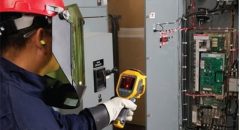
Identify, evaluate, and control process hazards with expert risk assessments, ensuring safe, reliable, and compliant industrial operations.

Implement site safety plans, audits, and training to prevent accidents, ensuring safer construction environments and regulatory compliance.
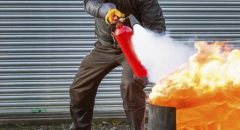
Design, engineer, and audit fire protection systems ensuring reliable performance, asset safety, and adherence to national safety standards.
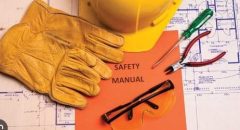
Empowering workforce with certified HSE, fire, and industrial safety training programs for skill development and regulatory competence.

Create immersive, interactive VR safety training modules for realistic learning experiences in hazard recognition and emergency preparedness.
A safety consultant can support businesses with workplace risk assessments, safety audits, hazard identification, HSE management, emergency preparedness, specialist safety studies and workforce training. The appropriate scope depends on the organisation's facility, industry, activities and risk profile.
A safety audit may be useful when reviewing existing HSE performance, assessing a new or existing facility, preparing for operational changes, investigating recurring safety concerns or identifying priorities for safety improvement.
A safety audit generally reviews existing workplace arrangements, practices and controls against defined criteria or the agreed audit scope. A risk assessment focuses on identifying hazards, evaluating associated risks and determining whether additional controls may be necessary.
Yes. Aura Safety's documented capabilities include HIRA, HAZOP, HAZID, Quantitative Risk Assessment, SIL studies, FMEA, Bow-Tie Analysis, process safety studies, electrical safety, construction safety and multidisciplinary safety audits.
Yes. The Aura HSE Training Academy provides training across areas including HSE, process safety, fire safety, electrical safety, behaviour-based safety, first aid, human factors and ergonomics, chemical safety, defensive driving and scaffolding.
Yes. Complex facilities may require several safety disciplines to be evaluated together. Depending on the scope, workplace safety can be considered alongside process safety, electrical safety, fire safety, construction safety or other relevant technical risks.
You can submit your requirements through the Aura Safety website. Providing basic information about your facility, industry, required service and project scope can help define the appropriate consulting requirement.