

Your comprehensive guide to understanding, performing, and benefiting from process safety audits
A process audit is a careful review of a company’s processes to make sure they follow rules, procedures, and safety standards. In safety terms, it checks whether the workplace and operations are safe for everyone.
Audits help catch risks before they cause accidents. They confirm that safety systems are working correctly and prevent dangerous incidents from happening.
These audits focus on industries that deal with chemicals or hazardous materials. They check that safety management systems are correctly in place and working effectively.
These audits examine occupational health and safety systems like ISO 45001. They help ensure the organization follows global safety standards and continuously improves.
Performed before starting a new or updated process, these audits make sure all safety systems, procedures, and equipment are ready and safe for operation.
These audits combine process safety, workplace safety, and environmental safety into one review. They save time and give a complete picture of organizational safety.
Before auditing, define the objectives, processes to review, and methods. Decide who will perform the audit, when, and with what resources.
Use documents, interviews, and on-site inspections. Checklists, guided discussions, and sample tests help ensure nothing is missed.
Auditors need proper training in safety, risk assessment, and auditing standards. They must be impartial to provide unbiased results.
Clearly document observations, non-conformities, and improvement suggestions. Include causes, risks, and recommended actions.
Assign responsibility for fixing issues and set deadlines. Follow up to confirm that all corrective actions have been implemented effectively.
PHA identifies potential risks in processes, helping prevent fires, explosions, or toxic leaks. It is a critical tool in safety audits.
Audits check that any process changes are reviewed, approved, and documented to avoid unintended risks.
This ensures that equipment like pipelines, valves, and safety devices are maintained and functioning properly to prevent failures.
Checks that emergency plans, drills, and equipment are ready. Confirms that staff know their roles during incidents.
The frequency depends on regulations, process risks, past audit results, and changes in operations. Regular audits are essential for safety and compliance.
Track findings, assign corrective actions, and monitor completion. Use management reviews to ensure accountability and improvement.
Resistance from staff, lack of time, or insufficient resources can reduce audit effectiveness. Poor planning also weakens results.
Auditors should not review their own work. Using independent or cross-functional teams helps maintain objectivity.
Keep detailed records, photos, and notes to ensure findings are clear, verifiable, and trustworthy.
Audits should go beyond identifying problems. Use the insights to improve processes, training, and safety culture continuously.
Organizations handling hazardous chemicals must audit their safety systems at regular intervals to ensure compliance and proper risk management.
ISO 45001 requires audits to check occupational health and safety management systems and ensure continuous improvement.
Different sectors, like oil & gas or pharmaceuticals, have additional safety rules and standards that audits must address.
Audits identify potential hazards and prevent accidents before they happen, keeping people and operations safe.
Audits demonstrate legal and regulatory compliance, giving assurance to regulators, investors, and the community.
By uncovering inefficiencies and safety gaps, audits improve operational reliability and reduce costs.
Audits promote transparency, employee involvement, and accountability, strengthening overall safety awareness.
Track repeated issues or patterns to prioritize improvements effectively.
Measure how many audit findings are resolved and closed successfully.
Track how long it takes to fix problems. Faster resolution means better safety governance.
Use both predictive (leading) and historical (lagging) indicators to measure audit effectiveness and prevent incidents.
Define objectives, scope, and resources. Develop checklists and governance processes.
Train auditors in process safety, risk management, and standards. Maintain a skilled audit team.
Feed findings into management reviews, risk registers, and corrective action systems to improve processes.
Regularly review the audit program, update checklists, and adjust frequency based on changes in operations or risks.
Process safety audits are a vital part of keeping industries safe and efficient. They help prevent accidents, ensure compliance, and create a strong safety culture. By setting up a proper audit program, training auditors, and continuously tracking improvements, organizations can protect their employees, operations, and reputation.
Call to Action
Work with an Aura Safety Risk Consultant for expert HSE management and process safety auditing. We provide complete solutions for safety, compliance, and sustainable growth. Contact us at +91 99994 02106 or visit Aura Safety – Contact Us.
+91 99994 02106

Identify, evaluate, and control process hazards with expert risk assessments, ensuring safe, reliable, and compliant industrial operations.
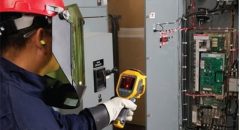
Identify, evaluate, and control process hazards with expert risk assessments, ensuring safe, reliable, and compliant industrial operations.

Implement site safety plans, audits, and training to prevent accidents, ensuring safer construction environments and regulatory compliance.

Design, engineer, and audit fire protection systems ensuring reliable performance, asset safety, and adherence to national safety standards.
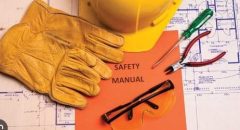
Empowering workforce with certified HSE, fire, and industrial safety training programs for skill development and regulatory competence.

Create immersive, interactive VR safety training modules for realistic learning experiences in hazard recognition and emergency preparedness.
A process audit reviews systems and procedures, while a safety inspection checks equipment and workplace conditions.
It depends on regulations, risks, and past results. High-risk industries often audit every 1–3 years.
Audits can be done internally, by partner companies, or by independent consultants for unbiased results.
PHA identifies potential hazards and evaluates risk controls to prevent accidents in operations
Responsible personnel implement corrective actions, set deadlines, and follow up to ensure fixes are completed.
Yes, when employees are involved and audit results are acted on, it strengthens accountability and safety awareness
Track trends in findings, corrective action closure rates, resolution times, and safety indicators to monitor performance.