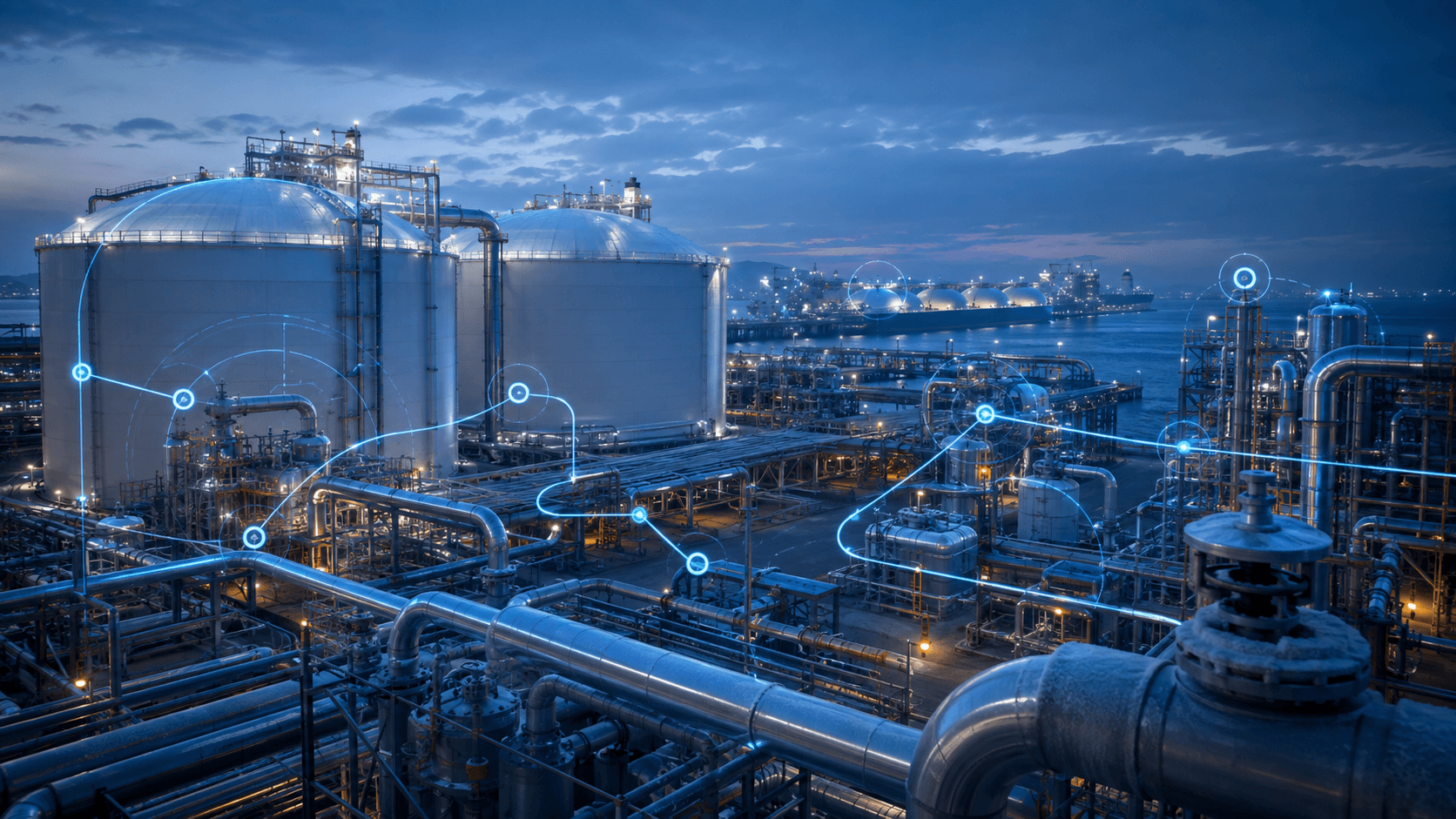


History shows us that ignoring process safety leads to deadly disasters—here is a look at the biggest workplace catastrophes and exactly what caused them.
The Worst Industrial Disasters Caused by Poor Process Safety
Growing Industrialization Increases Process Safety Accidents: Why Process Safety Management Matters More Than Ever
Growing industrialization has significantly contributed to economic development, technological advancement, and improved working standards across the globe. However, this rapid industrial growth has also led to a rise in process safety accidents, many of which have resulted in catastrophic consequences for people, assets, the environment, and business continuity.
As industrial processes become more complex and capacities of production are increased, the importance of effective Process Safety Management (PSM) has never been greater.
What is Process Safety?
Process safety is the systematic and proactive control of process hazards to prevent catastrophic incidents and protect people, assets, and the environment. Process safety is a disciplined framework for managing the integrity of hazardous operating systems and processes by applying good design principles, engineering, and operating practices.
It deals with the prevention and control of incidents that have the potential to release hazardous materials or energy. Such incidents can cause toxic effects, fire, or explosions and could ultimately result in serious injuries, property damage, lost production, and environmental impact.
Read More: Fire Explosion Risk Assessment
Difference between Occupational Safety and Process Safety?
We often give importance to occupational safety but ignore the importance of process safety. Organizations must recognize that while occupational safety focuses on preventing individual injuries, process safety aims to prevent major accidents involving hazardous materials and energy releases that can cause large-scale disasters.
A workplace can report ZERO LTIs and still remain one step away from a major catastrophe.
Personal Safety: This is about protecting the single worker. It means wearing a safety helmet so a falling tool does not hit your head. It means wearing safety goggles to keep dust out of your eyes. It is about stopping slips, trips, and small falls.
Process Safety: This is about protecting the whole factory and the surroundings around it. It stops a whole chemical tank from blowing up. It stops a massive toxic gas cloud from spreading into the sky.
If a worker slips on a wet floor and hurts their arm, that is a personal safety failure. If a whole oil refinery explodes, that is a process safety failure. A process safety failure hurts many more people at the exact same time. Learn more about process safety vs. occupational safety and how both systems work together.
History’s Worst Industrial Disasters
We must always learn from the past. Over the years, big factories have made big mistakes. These mistakes had caused terrible process safety disasters. By looking at these disasters, we can learn how to be much safer today.
Many well-known process safety incidents have shown the importance of strong safety systems and careful risk management.
Major Industrial Disasters Caused by Poor Process Safety
Several catastrophic accidents throughout history demonstrate the devastating impact of inadequate process safety management.
| Disaster | Year | Location | Primary Cause / Process Safety Failure | Deaths |
| Bhopal Gas Tragedy | 1984 | Bhopal | Water entered a methyl isocyanate (MIC) storage tank, causing an uncontrolled reaction and toxic gas release. Failures included poor maintenance, disabled safety systems, inadequate hazard management, and weak emergency preparedness. | ~3,000 immediate deaths; estimated 15,000–20,000+ deaths over time. |
| Chernobyl Disaster | 1986 | Chernobyl Nuclear Power Plant | A poorly planned safety test, operator errors, and reactor design flaws led to an uncontrolled power surge, explosions, and a massive radioactive release. Safety systems were bypassed, and hazards were not adequately understood or controlled. | 31 immediate deaths; thousands of additional cancer-related deaths have been estimated over the long term. |
| Piper Alpha Disaster | 1988 | North Sea, United Kingdom | A gas condensate leak ignited following maintenance work and permit-to-work failures. Deficiencies in communication, isolation procedures, and process safety management contributed to the disaster. | 167 deaths |
| Texas City Refinery Explosion | 2005 | Texas City, Texas, USA | Overfilling of a raffinate splitter tower resulted in a hydrocarbon release and vapor cloud explosion. Root causes included poor process safety culture, inadequate risk assessment, and weak operational discipline. | 15 d |
“Every major industrial disaster was preceded by warning signs. Effective process safety management ensures those warnings are identified and addressed before they become tragedies.”
Top Causes of Process Safety Failures
Every Major Disaster Starts with something small.
History has repeatedly shown that catastrophic accidents are rarely caused by a single event. Instead, they occur when multiple layers of protection fail, allowing a series of seemingly minor issues to escalate into a major disaster.
When people hear about industrial disasters, they often imagine massive explosions, towering flames, toxic gas releases, and widespread destruction.
Whether it was “The Bhopal Gas Tragedy, The Piper Alpha Explosion, or The Chernobyl Disaster” investigations consistently point to one important lesson:
“Major accidents are often the result of ordinary failures that were considered insignificant at the time”
If there is one factor that connects nearly every major industrial disaster, it is Complacency.
What is the meaning of complacency?
Complacency means – People become familiar with hazards, Shortcuts become routine, Warning signs become normal,
Risks become accepted and eventually, the organization stops seeing danger until an accident force everyone to pay attention.
Process Safety failures does not occur because people intentionally make unsafe decisions.
They occur because people gradually become comfortable with unsafe conditions.
That is why “Vigilance, Discipline, and Continuous Improvement” are essential in every Industry.
How to Prevent Future Industrial Disasters: Turning Lessons into Action:
“Every Disaster Leaves a Lesson” that “Every Major Disaster is preventable”
With robust Process Safety Management (PSM), organizations can identify risks early, prevent catastrophic incidents, protect employees, safeguard communities, and ensure long-term operational excellence. Examples:
Conduct Rigorous and Regular Safety Audits – It is like a health check-up for an industrial facility.
Invest in Continuous Worker Training – Technology alone cannot prevent accidents; people play a critical role in process safety
Strengthen Process Safety Culture – A strong safety culture is one where every employee—from senior management to frontline operators—takes OWNERSHIP of safety.
Prioritize Preventive Maintenance—Proactive maintenance is a critical investment that enhances equipment reliability, prevents unexpected failures, and protects organizations from costly operational disruptions and safety incidents in the future.
Learn from Incidents and Near Misses—Every incident, regardless of its severity, provides valuable information.
Frequently Asked Questions
What is the worst industrial disaster in history?
The Bhopal Gas Tragedy of 1984 is widely considered the world’s worst industrial disaster. A toxic methyl isocyanate (MIC) gas leak from a pesticide plant in Bhopal, India, exposed hundreds of thousands of people, causing thousands of immediate deaths and long-term health impacts that continue to affect survivors decades later.
What is the difference between process safety and personal safety?
Process safety focuses on preventing major incidents such as fires, explosions, toxic releases, and equipment failures by ensuring the safe design, operation, and maintenance of industrial processes.
Personal safety, on the other hand, focuses on protecting individuals from workplace injuries such as slips, trips, falls, cuts, and other occupational hazards. While personal safety safeguards people from everyday risks, process safety protects people, assets, and the environment from catastrophic events.
“Personal safety protects workers from injuries. Process safety protects facilities from major accidents that can harm people, assets, and the environment.”
How does poor communication cause industrial accidents?
Poor communication is a major cause of industrial accidents. When critical information is not shared during shift handovers, maintenance activities, or routine operations, it creates misunderstanding and lack of coordination between workers that may make incorrect decisions or perform unsafe actions and lead to equipment failures, process safety failure, major fire outbreaks, injuries, fatalities, and significant operational losses
What are the main causes of industrial disasters?
Industrial disasters are most commonly caused by inadequate shift handovers, deferred or ineffective equipment maintenance, failure to respond to safety-critical alarms, and weaknesses in operational controls. These failures can lead to equipment malfunction, loss of containment, toxic releases, fires, explosions, and other major accidents.
Read More: How Process Safety Audits Stop Big Industrial Accidents