

The Ministry of Health and Family Welfare (MoHFW), in a decisive collaboration with the National Disaster Management Authority (NDMA), has issued a high-priority directive to all States and Union Territories. This mandate calls for a significant tightening of fire safety protocols across all healthcare facilities in India. As summer temperatures soar, the risk of electrical fires due to high cooling loads and oxygen-rich environments increases exponentially, making this a critical moment for hospital administrators to reassess their safety infrastructure.
The Core of the New Directive
The recent communication emphasizes that healthcare facilities must transition from a “paperwork-only” compliance model to an active, verifiable state of readiness. The tragedy of hospital fires often lies in the complexity of evacuating non-ambulatory patients—those who are bedridden, on life support, or in critical care units. Unlike commercial buildings, hospitals cannot simply be evacuated via stairs; they require specialized equipment and highly trained personnel.
Key mandates under the new guidelines include:
- Periodic Fire Safety Audits: Hospitals are now required to conduct rigorous audits focusing on electrical load capacity, the health of oxygen manifold systems, and the functionality of firefighting equipment.
- Site-Specific Evacuation Plans: Generic plans are no longer sufficient. Hospitals must document and practice evacuation strategies tailored to their specific floor plans and patient types.
- Renewal of Fire NOCs: The Fire No Objection Certificate (NOC) must be renewed on time, ensuring that the facility meets the current standards of the National Building Code (NBC).
Why Hospitals are High-Risk Zones
Hospitals are uniquely vulnerable to fire for several reasons. First, the high concentration of electrical equipment—ventilators, monitors, and air conditioning units—puts immense pressure on electrical circuits. Second, the presence of pressurized oxygen cylinders and piped gas systems can turn a small spark into an uncontrollable blaze within seconds.
At Aura Safety, we specialize in conducting fire load calculations that help healthcare providers understand the potential heat release in various hospital zones, allowing for better-targeted suppression systems.
Steps to Achieve Full Compliance
To meet the new Centre-mandated norms, hospital management should follow a structured approach to risk mitigation:
1. Comprehensive Risk Assessment: Identify the most vulnerable areas, such as ICUs, Operation Theatres, and server rooms. A professional process safety approach can help identify hidden hazards in gas delivery and chemical storage within the facility.
2. Engineering Controls:
Install automated sprinkler systems and smoke detectors that are integrated with the hospital’s central alarm system. Ensuring that fire doors are functional and smoke-sealed is also a non-negotiable requirement under the NBC.
3. Enhancing Emergency Response:
The directive specifically highlights the need for trained fire marshals within the staff. Aura Safety provides technical expertise in drafting an On-site Emergency Response Plan (OERP) that synchronizes staff actions with national disaster protocols.
4. Electrical Infrastructure Audit:
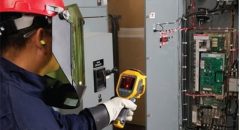
Given that a majority of hospital fires originate from short circuits, regular thermal imaging of DB panels and transformers is essential. This proactive measure can detect overheating long before a fire breaks out.
The Role of Aura Safety in Healthcare Resilience
Navigating the complexities of NDMA guidelines and state-specific fire bylaws can be daunting. As an expert Safety Risk Consultant, we bridge the gap between regulatory requirements and on-ground execution. Our team provides end-to-end support, from initial audits to the development of robust evacuation protocols that prioritize the safety of critical care patients.
The Centre’s move to tighten these norms is a welcome step toward building a resilient healthcare ecosystem in India. By staying ahead of compliance and investing in professional safety consulting, hospitals can ensure that their primary mission—saving lives—is never compromised by a preventable disaster.