

A fire can grow fast. In just two minutes, a small flame can turn into a huge danger. That is why fire sprinkler systems are so important. They act like a 24-hour guard for your building.
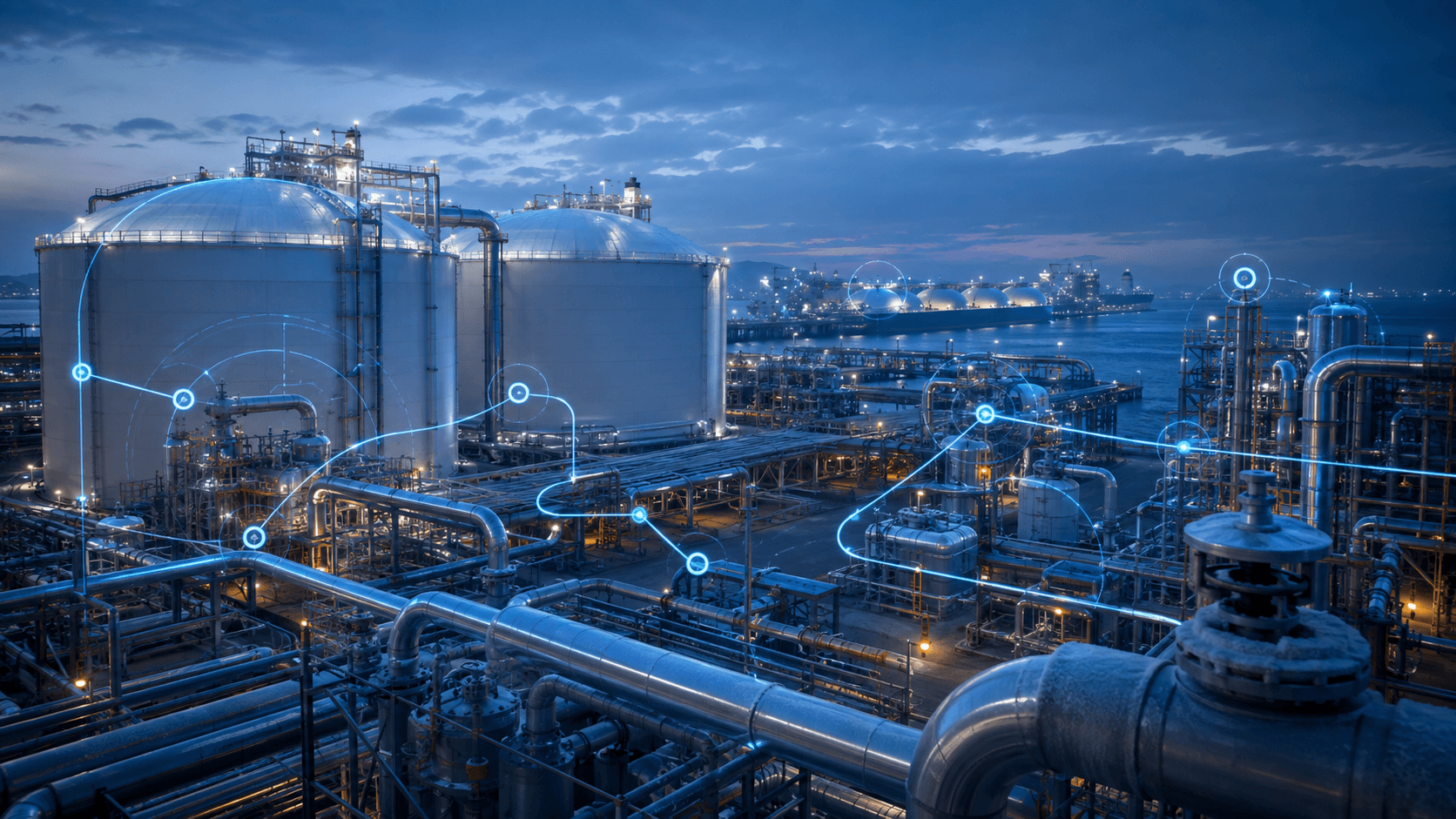
In 2026, these systems are smarter than ever. They do not just spray water; they use AI and smart sensors to keep you safe as part of a broader process safety strategy. This guide will help you understand the different types of systems and which one is right for you.
What is a Fire Sprinkler System?
A fire sprinkler system is a network of pipes filled with water or air. It is built into the ceiling or walls of a building. On the pipes, there are sprinkler heads.
Many people think all sprinklers go off at once when they see smoke. This is not true. In most systems, only the head near the heat will open.
When a fire starts, the heat rises. This heat breaks a small glass bulb in the sprinkler head. Once the bulb breaks, the system releases water to put out the fire. It is a simple way to save lives and protect property, especially when combined with methods like quantitative risk assessment to evaluate fire scenarios.
The 4 Main Types of Fire Sprinkler Systems
There are four main types of systems used in 2026. Each one works best in a specific setting.
1. Wet Pipe Systems
The Wet Pipe System is the most common type. It is found in most offices, schools, and homes.
How it works: The pipes are always full of water.
The benefit: It reacts instantly. As soon as the heat breaks the bulb, water flows out.
The drawback: These pipes can freeze. You should only use them in buildings that stay warm (above 4°C or 40°F).
2. Dry Pipe Systems
Dry Pipe Systems are used in places where it gets very cold. Think of unheated warehouses or parking garages.
How it works: The pipes are filled with pressurized air or nitrogen instead of water.
The process: When a fire starts, the air leaks out first. This change in pressure opens a valve that lets the water in.
The benefit: The pipes will not burst in the winter because there is no water sitting in them.
3. Pre-Action Systems
A Pre-Action System is a “double-check” system. It is used in places where water damage is a big risk, like data centers or museums.
How it works: It needs two things to happen before water flows. First, a smoke or heat sensor must go off. Second, the sprinkler head itself must detect heat.
The benefit: This prevents “accidental” sprays. If a single head breaks by mistake, the building stays dry.
This type of system is often evaluated using techniques like HAZOP study to identify potential failure points.
4. Deluge Systems
Deluge Systems are for high-risk areas. You find these in chemical plants or power stations.
How it works: The sprinkler heads are always “open.” They do not have glass bulbs.
The process: When a fire is detected, a main valve opens. Water flows out of every head at the same time.
The benefit: It “drowns” a fire instantly before it can spread to dangerous chemicals.
These systems are commonly used in industries handling flammable materials and are often paired withfire & gas mapping and bow-tie analysis to visualize and control fire risks.
Modern Trends in 2026
Fire safety has changed a lot recently. In 2026, technology makes these systems even more reliable.
Smart Sprinklers and IoT Monitoring
Today, many systems use IoT (Internet of Things). This means your sprinklers are connected to the internet.
- Real-time alerts: If a pipe leaks or pressure is low, you get a text on your phone.
- Fewer inspections: Since the system monitors itself, you don’t need a person to check the gauges every week, though periodic external safety audits are still recommended.
AI-Driven Detection
AI is now used to tell the difference between a real fire and “nuisance” smoke (like burnt toast). AI sensors look at heat patterns and smoke types. This stops the sprinklers from going off when they shouldn’t.
How to Choose the Right System
Choosing a system depends on two things: what is in your building and the local weather.
- For your home: A Wet Pipe System is usually best. It is cheap and works fast.
- For a cold warehouse: Use a Dry Pipe System to avoid frozen pipes.
- For a computer room: Use a Pre-Action System to protect expensive tech from water.
- For a factory with fuel: Use a Deluge System for maximum power, especially where risks like dust explosion may exist.
A proper project HSE review can help determine the most suitable system during the design phase.
Understanding Fire Codes (NFPA 13)
In 2026, safety rules (like NFPA 13) are very strict. Most new buildings over 11 meters tall must have sprinklers. It is always best to talk to a pro and conduct a PSM audit & implementation review to make sure you follow the law and maintain compliance with standards like COMAH.
Frequently Asked Questions (FAQs)
Do all sprinkler heads go off at once?
No. In most systems (Wet, Dry, and Pre-Action), only the head near the fire opens. Only Deluge systems spray from every head at once.
Can smoke set off a fire sprinkler?
Usually, no. Most sprinklers need heat to break the glass bulb. However, Pre-Action and Deluge systems do use smoke detectors as a first trigger.
How often should I test my system in 2026?
You should have a professional check it once a year. Advanced evaluations like emergency systems survivability analysis and escape evacuation rescue analysis can further improve preparedness.
Do fire sprinklers cause a lot of water damage?
A sprinkler uses much less water than a fire hose. By stopping the fire early, the sprinkler actually prevents massive damage.
Are fire sprinklers required in homes?
In 2026, many new apartment buildings and homes are required by law to have them. Check your local building codes to be sure.