

A practical and easy-to-understand guide to Behavior-Based Safety, explaining how organizations can reduce risks and build safer workplaces.
Behavior-Based Safety (BBS) is a people-focused safety approach that looks at how employees actually work and helps them adopt safer behaviors through observation and feedback.
Most workplace incidents happen due to unsafe actions rather than unsafe conditions. BBS addresses this gap by encouraging safer daily habits and decisions.
BBS is built on observing real work, encouraging positive behavior, involving employees, and continuously improving safety practices without blame.
Simple observation programs allow trained observers to identify safe and unsafe actions during normal work activities.
Immediate and respectful feedback helps employees understand risks, while positive reinforcement motivates them to repeat safe behaviors.
Organizations begin by reviewing current incident records, near-misses, and safety trends to understand where improvements are needed.
Key behaviors that have the biggest impact on safety are identified based on job roles, tasks, and previous incidents.
Clear and easy-to-use checklists are created so observers can record behaviors consistently and accurately.
Observers, supervisors, and employees are trained on how to observe objectively, communicate respectfully, and use data correctly.
Collected data is used to design targeted actions such as coaching, awareness sessions, and process improvements.
Regular reviews help determine whether safer behaviors are increasing and whether incidents are reducing over time.
Strong leadership support is essential to provide resources, set expectations, and demonstrate that safety is a priority.
When employees are actively involved, BBS becomes a shared responsibility rather than a management-driven initiative.
BBS works best when it becomes part of everyday work and aligns with the organization’s overall safety culture.
Common indicators include observation frequency, percentage of safe behaviors, and improvements in near-miss reporting.
Observation findings are shared openly, allowing teams to adjust processes, training, and tools as needed.
Sustained improvement is measured by long-term behavior trends and a noticeable reduction in incidents and injuries.
Resistance to change, inconsistent observations, and lack of follow-up can limit the effectiveness of BBS programs.
BBS is sometimes misunderstood as fault-finding, which can reduce trust and participation if not implemented correctly.
A successful BBS program focuses on learning and improvement, not blaming individuals for unsafe acts.
Each organization should adapt BBS to its specific risks, workforce, and operational environment.
Recognizing and appreciating safe behavior encourages employees to continue working safely.
BBS should complement engineering controls, procedures, and risk assessments for a well-rounded safety program.
Behavior-Based Safety helps organizations move beyond rules and procedures by focusing on how people actually work. When implemented correctly, it strengthens safety culture, reduces incidents, and supports long-term improvement. By combining leadership commitment, employee involvement, and continuous feedback, BBS becomes a powerful tool for sustainable workplace safety.
Aura Safety Risk Consultant
Delivering comprehensive HSE management and engineering consultancy solutions to ensure safety, compliance, and sustainable industrial growth.
Contact Number: +91 99994 02106
Get in Touch: https://aurasafety.com/contact-us
+91 99994 02106

Identify, evaluate, and control process hazards with expert risk assessments, ensuring safe, reliable, and compliant industrial operations.
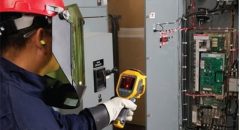
Identify, evaluate, and control process hazards with expert risk assessments, ensuring safe, reliable, and compliant industrial operations.

Implement site safety plans, audits, and training to prevent accidents, ensuring safer construction environments and regulatory compliance.

Design, engineer, and audit fire protection systems ensuring reliable performance, asset safety, and adherence to national safety standards.

Empowering workforce with certified HSE, fire, and industrial safety training programs for skill development and regulatory competence.

Create immersive, interactive VR safety training modules for realistic learning experiences in hazard recognition and emergency preparedness.
Yes, BBS can be applied across manufacturing, construction, oil & gas, logistics, and service industries.
No, it complements existing safety systems by focusing on human behavior alongside procedures and controls.
Initial improvements may be seen within months, while long-term cultural change takes consistent effort.
Employee participation is critical; without it, BBS programs are unlikely to succeed.
Observations should be regular and ongoing to identify trends and reinforce safe behaviors.
No, BBS focuses on learning and improvement, not assigning blame.
Leadership commitment, positive reinforcement, employee trust, and continuous improvement are key success factors.