


A practical, easy-to-understand guide to ergonomics assessments and how they help create safer, healthier, and more productive workplaces.
An ergonomics assessment is a structured review of how people work. It looks at posture, movements, tools, and workstations to reduce strain, discomfort, and injury.
The purpose is to make work fit people better. Assessments aim to improve comfort, prevent injuries, and support long-term health by identifying and correcting risk factors early.
Assessments can focus on office desks, computer work, manual handling tasks, or industrial operations involving lifting, machinery, and repetitive activities.
Poor ergonomics can lead to back pain, neck strain, joint problems, and repetitive stress injuries. Assessments help prevent these issues before they become serious.
When people work comfortably, they stay focused longer and make fewer errors. Good ergonomics supports better performance and reduces fatigue during the workday.
Reducing injuries lowers medical costs, absenteeism, and staff turnover. Over time, ergonomics assessments help businesses save money and protect their workforce.
Assessments look at awkward postures, repeated movements, heavy lifting, and excessive force that place stress on muscles and joints.
Poor lighting, unsuitable furniture, badly positioned screens, and poorly designed tools can all increase ergonomic risk if left unaddressed.
How tasks are organized, how long people sit or stand, and whether breaks are taken all affect ergonomic safety and comfort.
Before starting, assessors review job roles, injury history, and employee feedback to understand where problems may exist.
During the assessment, tasks are observed in real time. Postures, movements, and workstation setups are reviewed to identify risk points.
Standard tools and scoring methods help measure risk levels objectively and highlight which tasks need immediate improvement.
Tools such as posture analysis methods and lifting evaluations help assess how the body is affected during different work activities.
Checklists provide a simple way to review workstations and tasks, ensuring important ergonomic factors are not overlooked.
Manual assessments rely on observation, while digital tools can track posture and movement more precisely using software and technology.
The final report explains identified risks, affected body areas, and practical recommendations for improvement.
Risks are ranked so that the most serious issues are addressed first, helping organizations focus resources effectively.
Follow-up checks confirm whether changes are working and whether further adjustments are needed over time.
Many safety regulations require employers to manage known ergonomic risks, even if there is no single ergonomics law.
Global standards provide guidance on designing tasks, tools, and systems that support human comfort and efficiency.
Different industries follow tailored guidelines based on their unique physical demands and work environments.
Employees may be hesitant to change habits or equipment. Clear communication and involvement help improve acceptance.
Some risks are difficult to measure without experience, making professional expertise valuable.
Budget limitations can delay improvements, even when ergonomic risks are clearly identified.
Simple workstation reviews and posture guidance can greatly improve comfort for small teams and home workers.
These environments often need detailed assessments due to lifting, patient handling, and physically demanding tasks.
Office assessments focus on seating, screen height, keyboard use, and prolonged sitting to reduce strain.
In-house teams handle day-to-day reviews, while external experts offer fresh perspectives and specialized knowledge.
Choose providers with practical experience, clear reporting, and solutions that fit your specific workplace needs.
Qualified professionals with recognized ergonomics or safety credentials provide more reliable assessments.
Ergonomics assessments help create safer, more comfortable workplaces by identifying risks and providing practical solutions. They protect employee health, improve productivity, and support long-term business performance.
Aura Safety Risk Consultant delivers comprehensive HSE management and engineering consultancy solutions to ensure safety, compliance, and sustainable industrial growth.
Contact Number: +91 99994 02106
Get in Touch: https://aurasafety.com/contact-us
+91 99994 02106

Identify, evaluate, and control process hazards with expert risk assessments, ensuring safe, reliable, and compliant industrial operations.
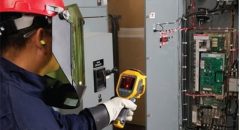
Identify, evaluate, and control process hazards with expert risk assessments, ensuring safe, reliable, and compliant industrial operations.

Implement site safety plans, audits, and training to prevent accidents, ensuring safer construction environments and regulatory compliance.

Design, engineer, and audit fire protection systems ensuring reliable performance, asset safety, and adherence to national safety standards.
Empowering workforce with certified HSE, fire, and industrial safety training programs for skill development and regulatory competence.

Create immersive, interactive VR safety training modules for realistic learning experiences in hazard recognition and emergency preparedness.
How often should ergonomics assessments be done? Ideally during setup, after changes, and whenever discomfort or injuries are reported.
Can assessments reduce injury claims? Yes, proactive ergonomics often leads to fewer workplace injuries and claims.
What affects the cost? Workplace size, assessment depth, and tools used all influence pricing.
Discomfort, stiffness, numbness, or fatigue during work are common early signs.
Yes, home workstations can also cause strain if not set up correctly.
Many effective solutions are low-cost, such as adjusting chair height or screen position.
Employees, supervisors, and safety professionals should all take part.
Many people feel improvement in comfort within days or weeks after adjustments.
Yes, showing concern for comfort and health builds trust and satisfaction.