

A Pre-Startup Safety Review (PSSR) is a systematic check to ensure equipment, procedures, and safeguards are ready before startup or restart.
A Pre-Start-Up Safety Review (PSSR) is a systematic safety assessment performed before starting new or modified facilities, equipment, or processes. The objective of PSSR in safety is to verify that construction, installation, operating procedures, and safety systems comply with design intent and regulatory requirements. The PSSR meaning in construction relates to confirming readiness before commissioning activities begin. A structured PSSR audit helps identify potential hazards, ensures completion of action items, and validates workforce preparedness. By conducting PSSR, organizations reduce startup risks, prevent process safety incidents, and ensure compliance with OSHA and industry standards before operations commence.
A PSSR is a structured safety check conducted before starting up a new or modified industrial process. It ensures all equipment, procedures, and systems meet design and safety standards.
PSSR is required under OSHA’s Process Safety Management (PSM) regulations and recommended by industry safety guidelines. It helps maintain compliance and demonstrates commitment to process safety.
Yes, PSSR is mandatory in several regulated industries, especially those handling hazardous chemicals or processes.
Common PSSR oversights can lead to regulatory noncompliance and safety incidents.
OSHA regulations require verification that all safety, equipment, and procedural elements are in place before startup.
Start-up phases are high-risk periods. PSSR identifies hidden hazards, helping to prevent leaks, fires, and equipment failures.
It confirms that equipment, systems, and modifications match the original design intent, avoiding operational surprises.
PSSR validates that procedures, safety systems, and staff are prepared to operate the process safely.
It ensures regulatory compliance, strengthens risk management practices, and provides documentation for audits and inspections.
PSSR should be performed for:
It should be done after construction and pre-commissioning, just before start-up, so issues can be corrected in time.
A multidisciplinary team typically includes operations, engineering, maintenance, and safety personnel. Independent reviewers can help reduce bias.
Core Elements of the PSSR Process
A Pre-Startup Safety Review (PSSR) should follow a structured, documented process to ensure safe and compliant startup.
Identify new, modified, or relocated equipment, processes, and systems requiring review.
Include representatives from engineering, operations, maintenance, safety, and management.
Verify Design and Construction
Confirm equipment installation matches approved design specifications and safety requirements.
Ensure process hazard analysis recommendations are completed or properly managed.
Test alarms, interlocks, relief devices, emergency shutdowns, and control systems.
Confirm operating, maintenance, and emergency procedures are accurate and accessible.
Verify that operators and maintenance personnel are trained and competent.
Resolve all critical findings before granting final startup approval.
Read More: Ways to Improve Construction Site Safety
Internal teams may overlook issues due to familiarity or assumptions. Independent reviewers reduce this risk.
Pressure to meet deadlines can lead to skipped steps. Rushing a PSSR compromises safety.
Unresolved action items from hazard analyses may leave hidden risks. Ensure all items are verified.
Incomplete or missing documentation reduces accountability and can hide unresolved hazards.
A Pre-Start-Up Safety Review (PSSR) is a vital step to ensure a facility operates safely and efficiently. By systematically checking equipment, procedures, and personnel readiness, it prevents incidents, strengthens compliance, and improves operational confidence. For expert PSSR support and HSE management solutions, contact Aura Safety Risk Consultant. We help you maintain safety, compliance, and sustainable industrial growth.
+91 99994 02106

Identify, evaluate, and control process hazards with expert risk assessments, ensuring safe, reliable, and compliant industrial operations.
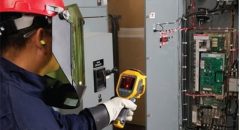
Identify, evaluate, and control process hazards with expert risk assessments, ensuring safe, reliable, and compliant industrial operations.

Implement site safety plans, audits, and training to prevent accidents, ensuring safer construction environments and regulatory compliance.

Design, engineer, and audit fire protection systems ensuring reliable performance, asset safety, and adherence to national safety standards.
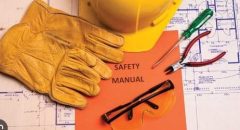
Empowering workforce with certified HSE, fire, and industrial safety training programs for skill development and regulatory competence.

Create immersive, interactive VR safety training modules for realistic learning experiences in hazard recognition and emergency preparedness.
A multidisciplinary team including operations, engineering, maintenance, and safety staff, ideally with independent reviewers.
Design drawings, operating procedures, maintenance procedures, emergency plans, and training records.
PSSR verifies that all changes are formally approved, and any associated risks are properly managed.
Unresolved hazards can lead to incidents, so PHA items must be tracked and closed before start-up.
Internal staff can perform it, but independent or cross-functional review helps ensure objectivity
Yes, non-critical items must be monitored and completed post-start-up to ensure ongoing safety.